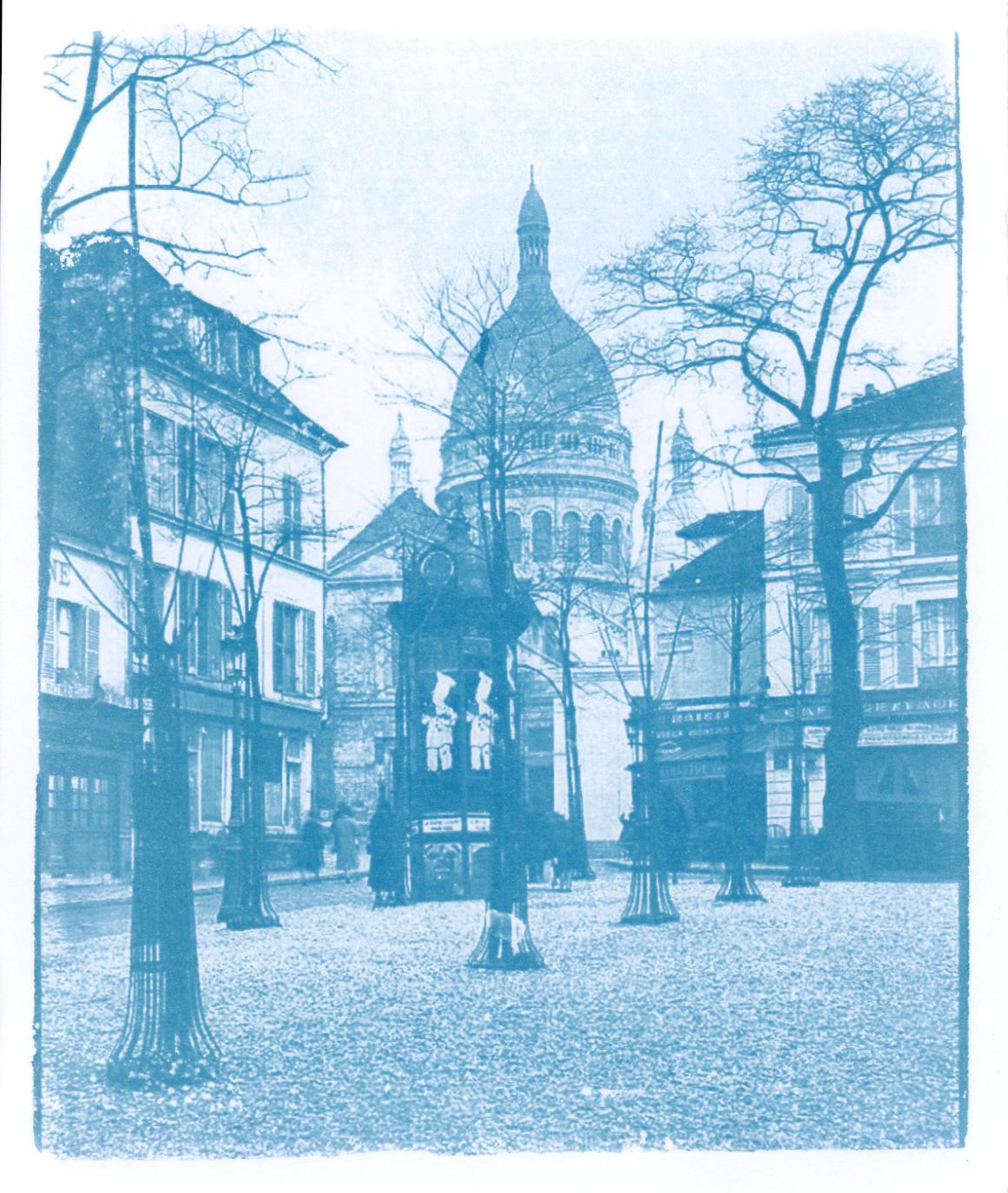
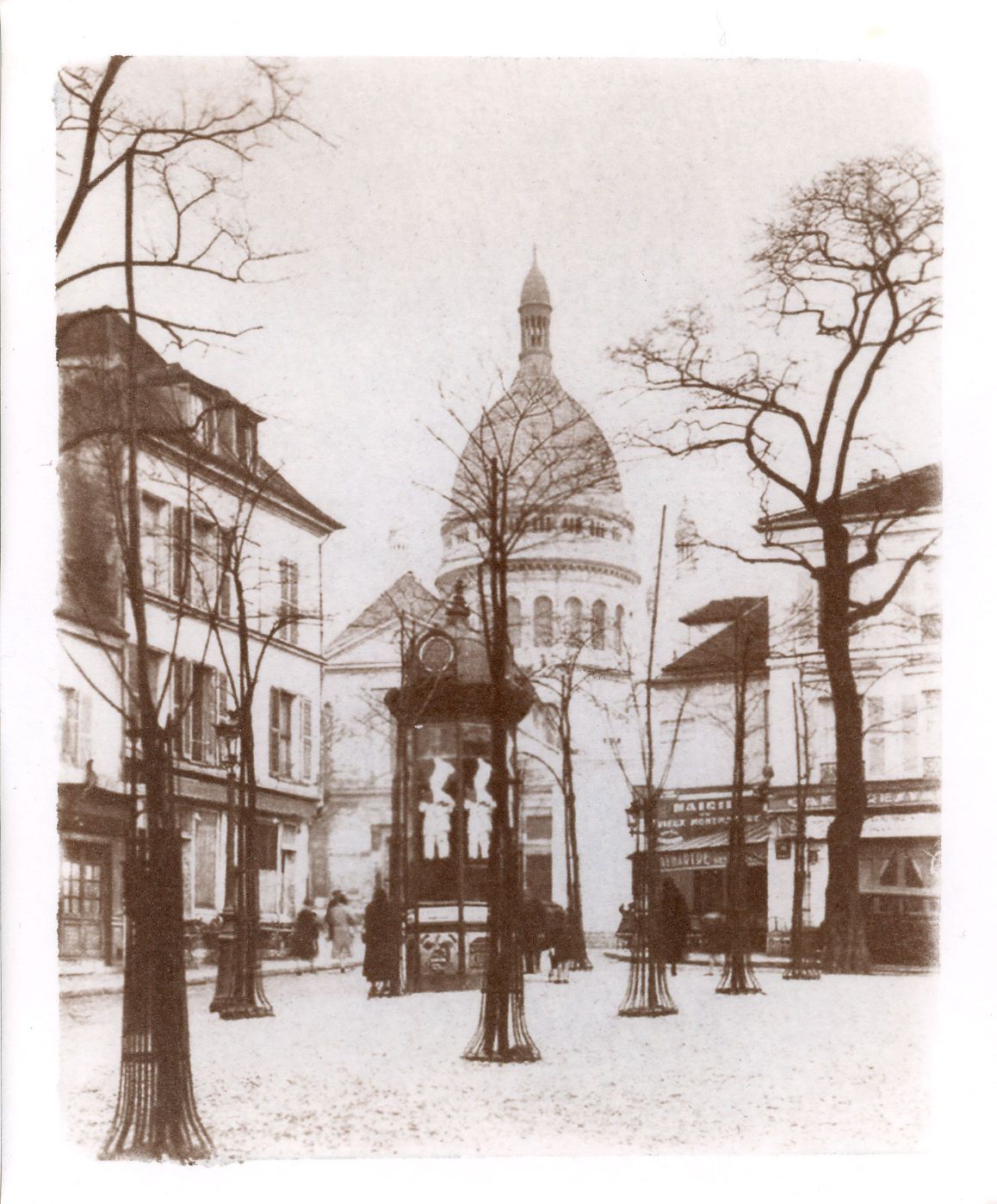
Variantes de Cyanotype
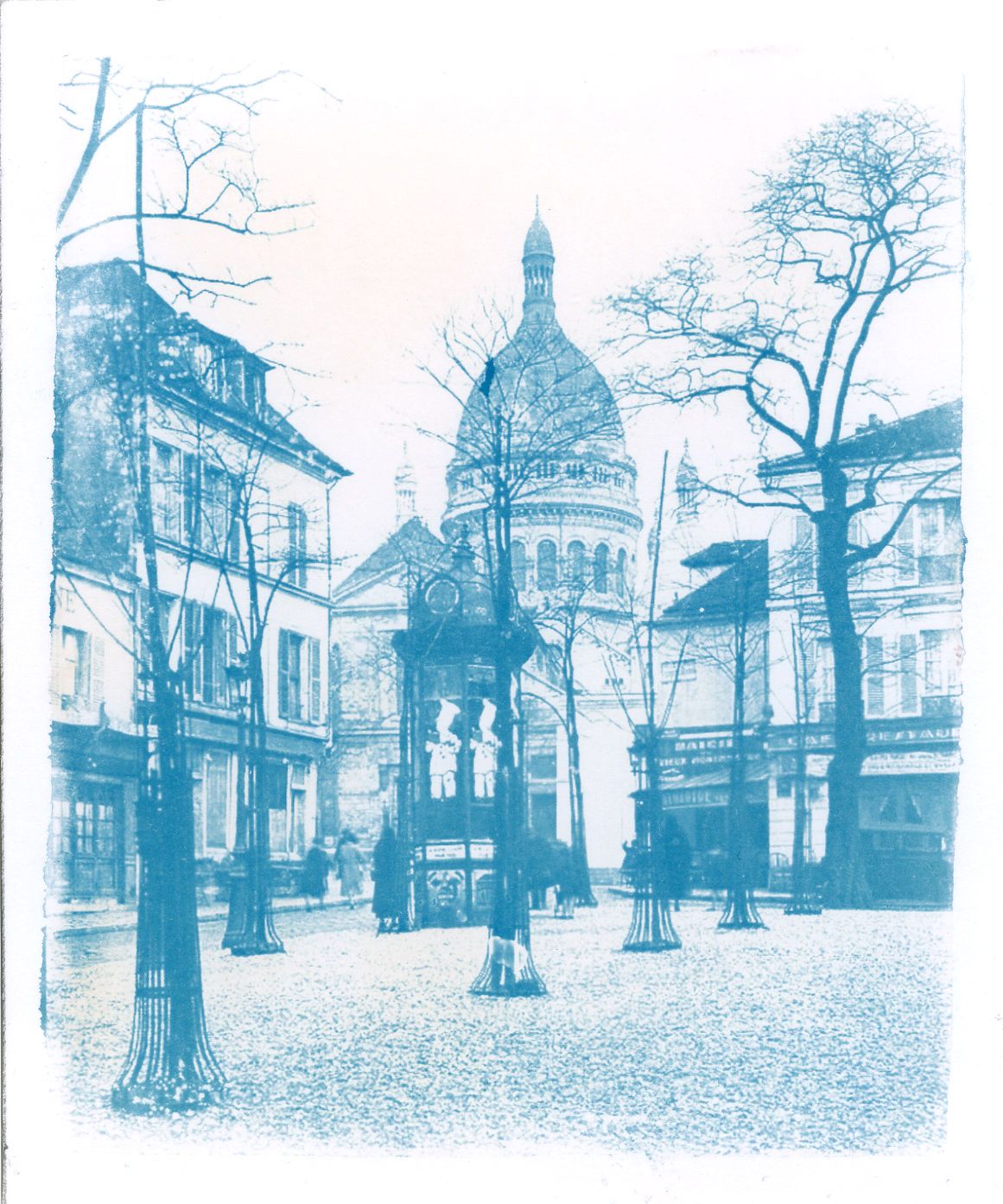
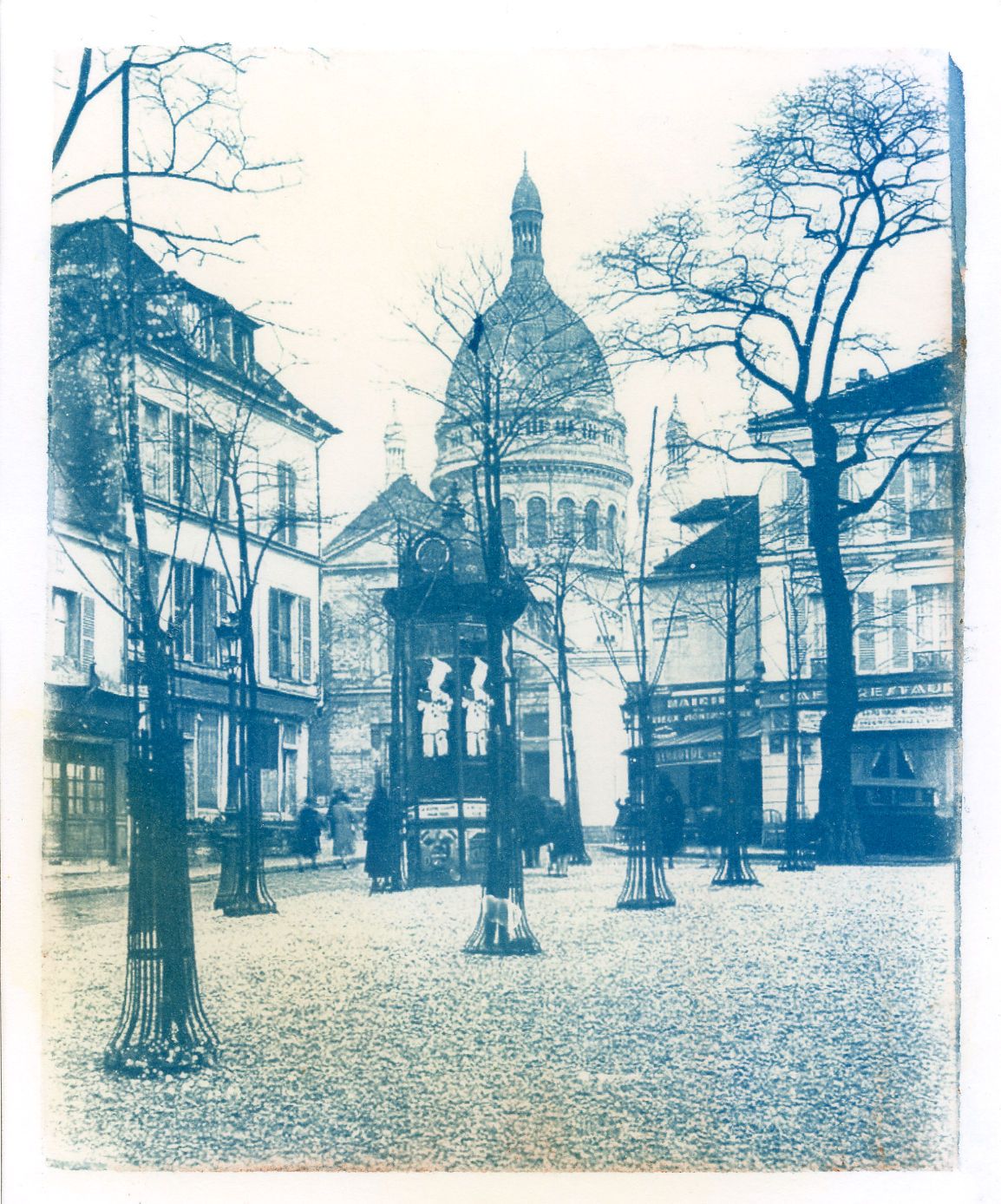
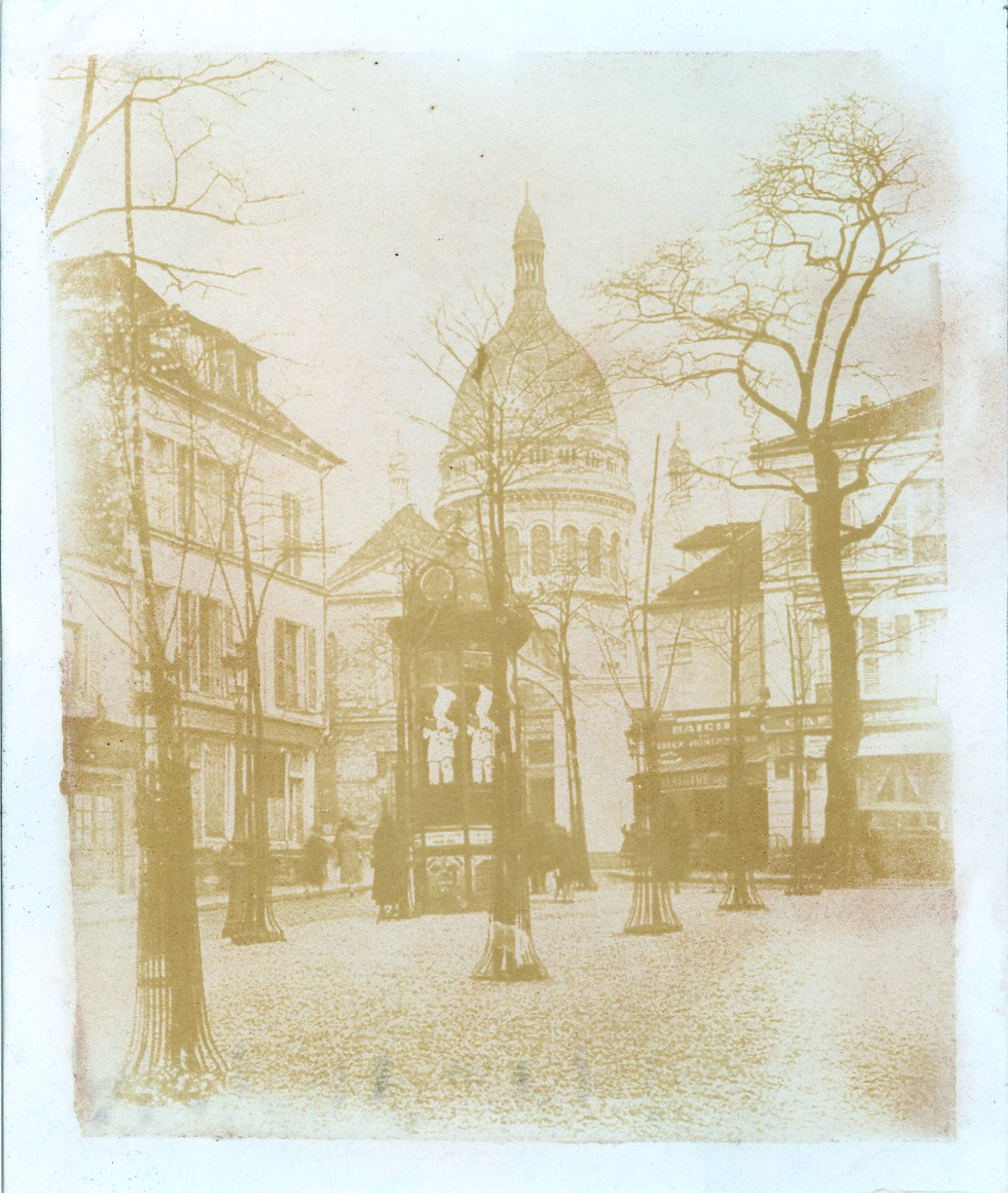
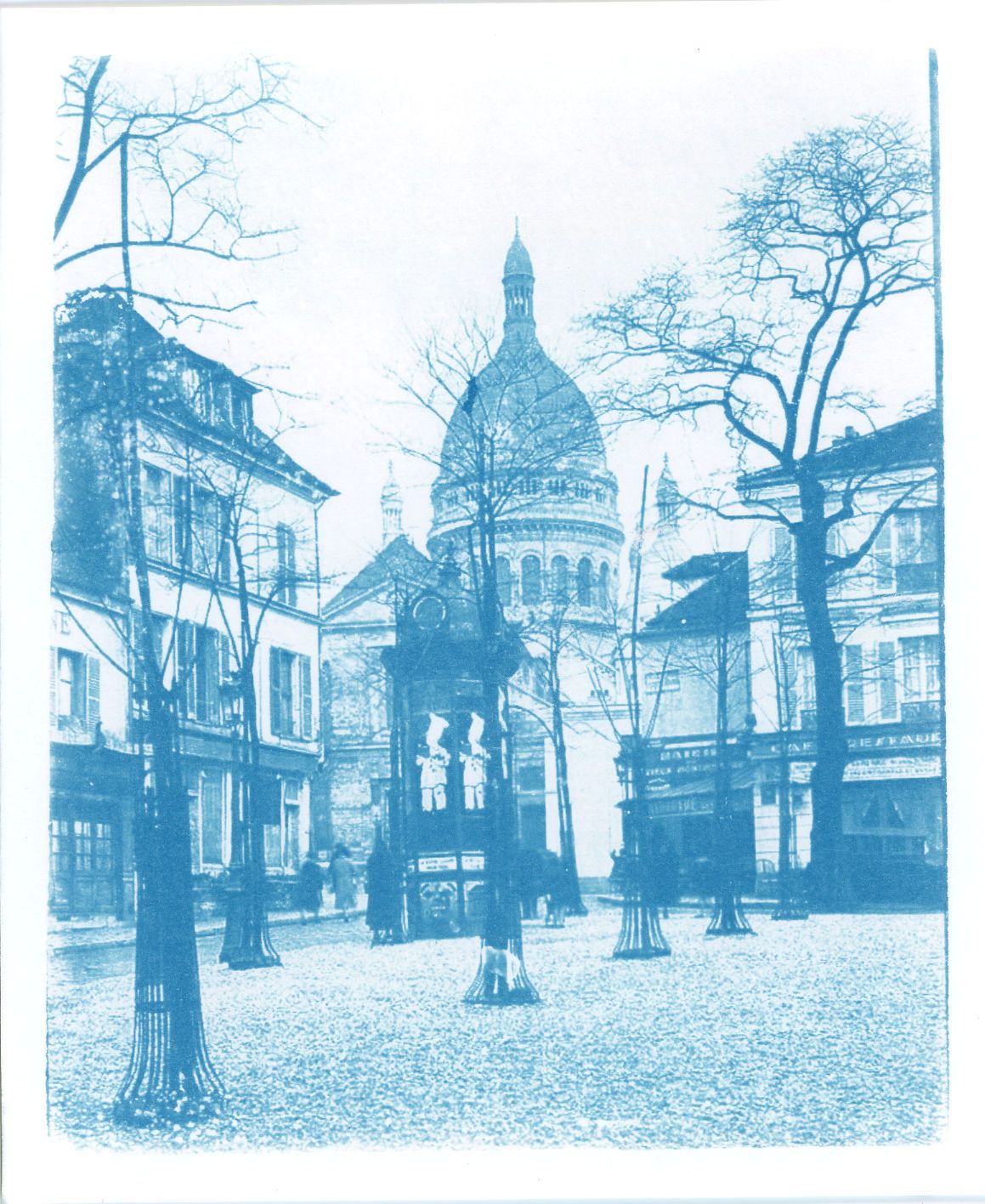
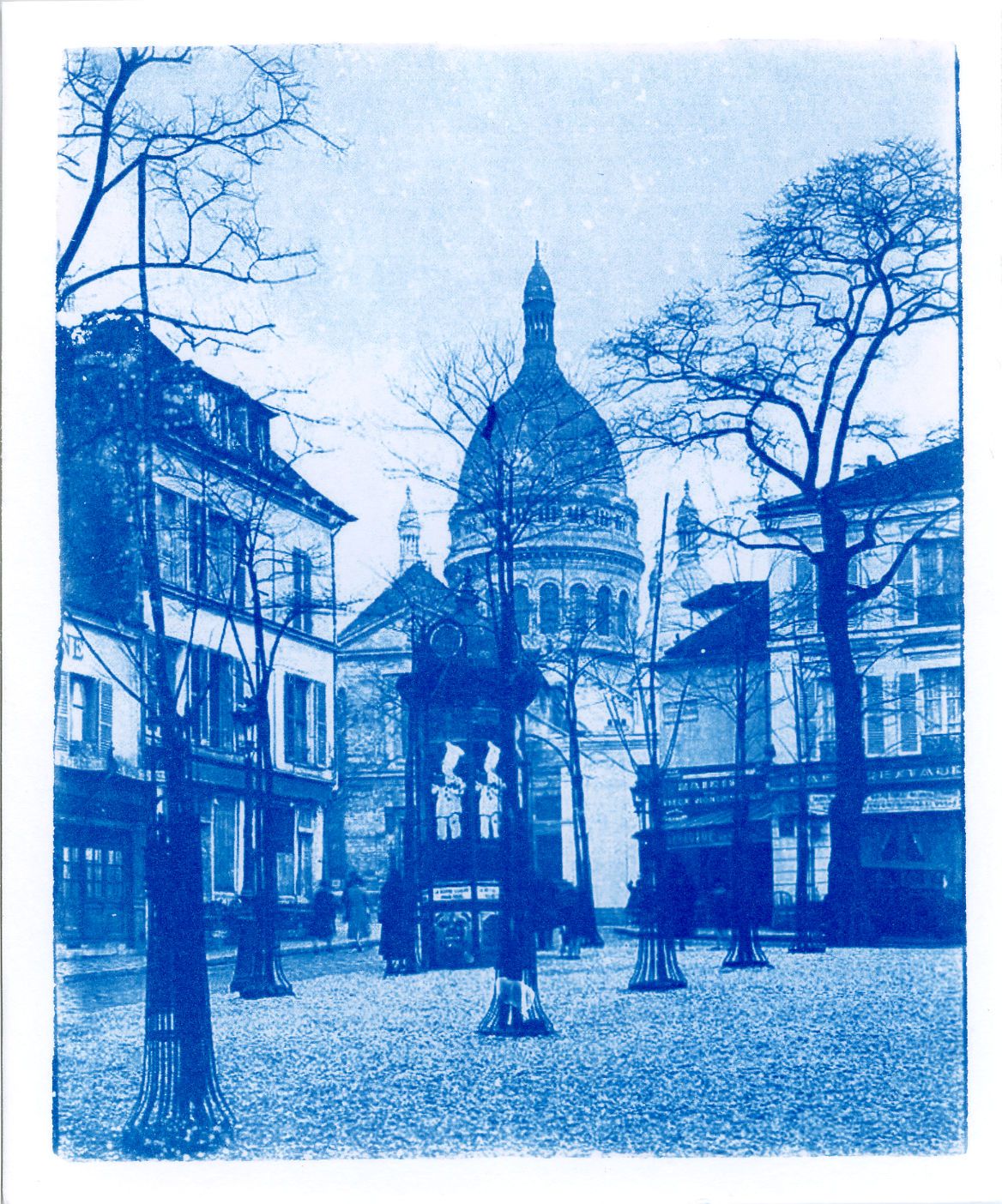
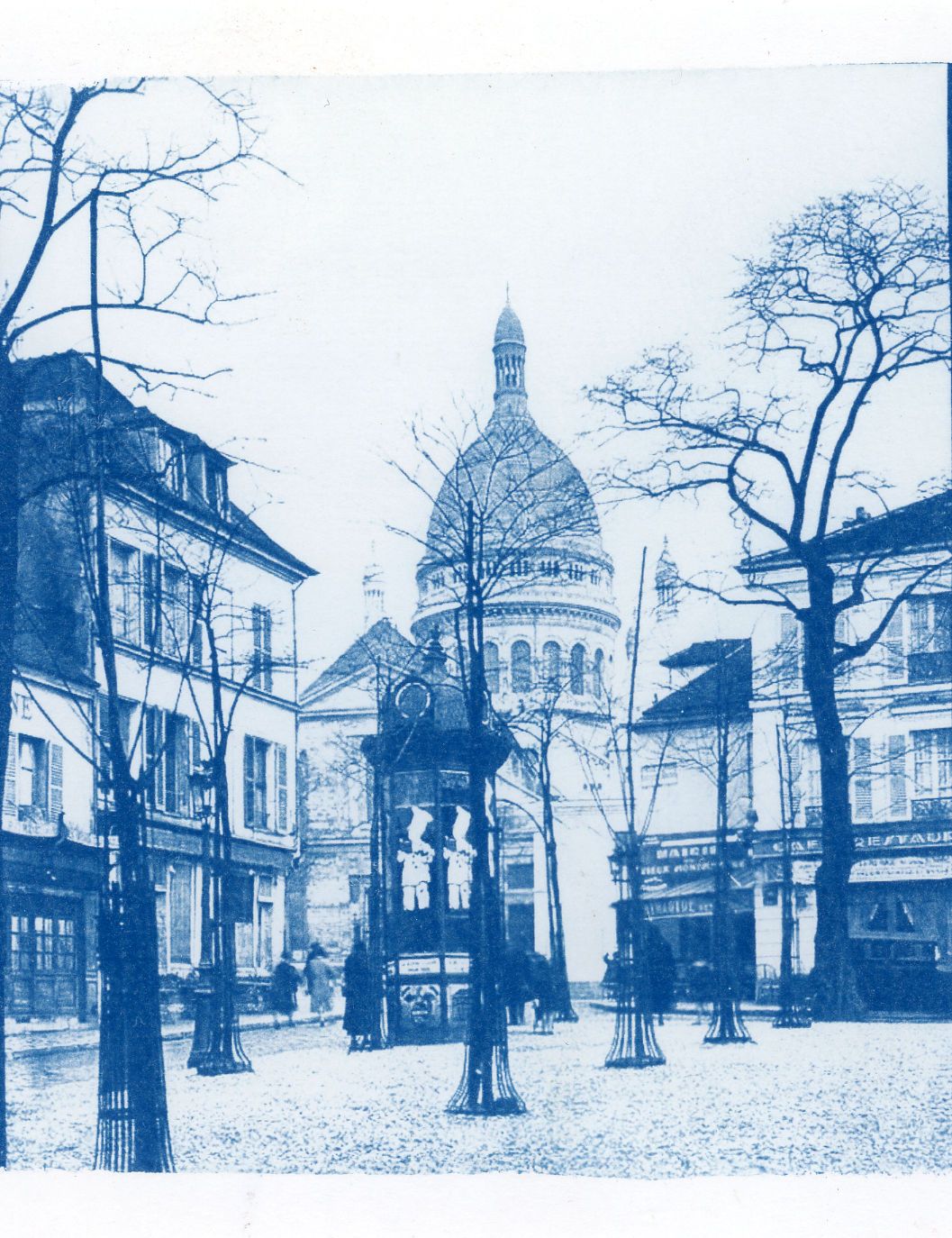
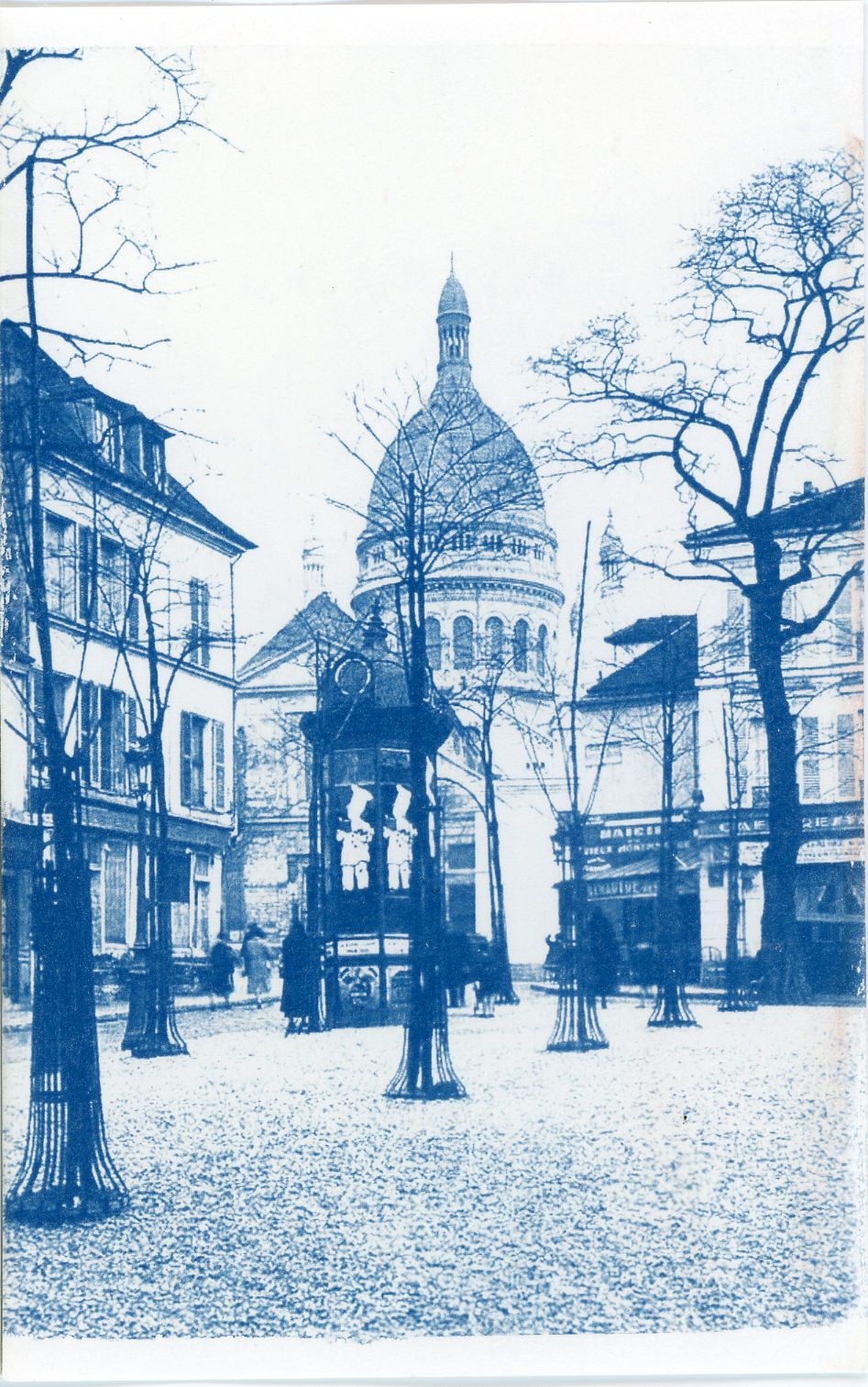
Eclaircissement au bleach photographique
Ne pas confondre avec l'eau de javel
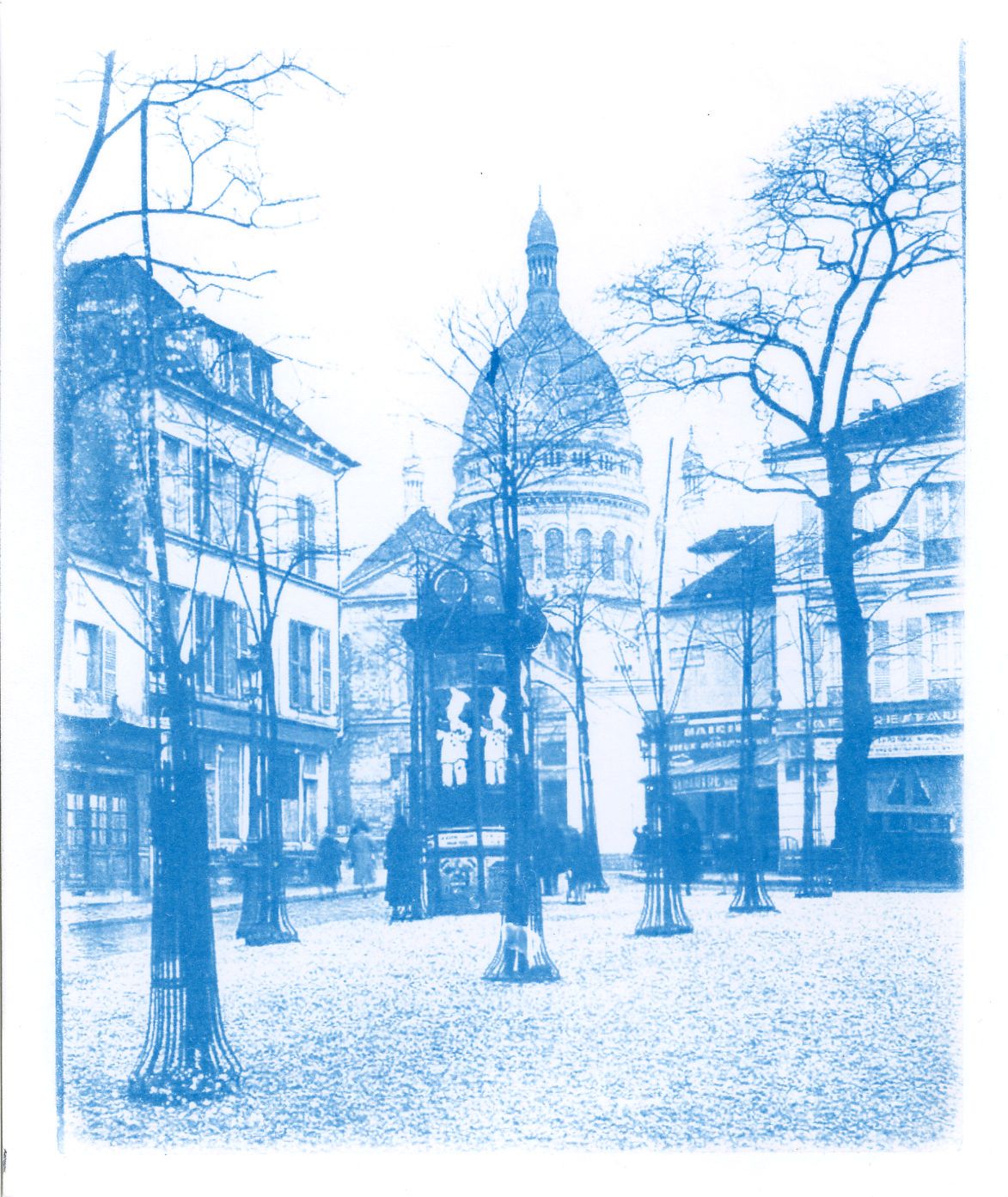
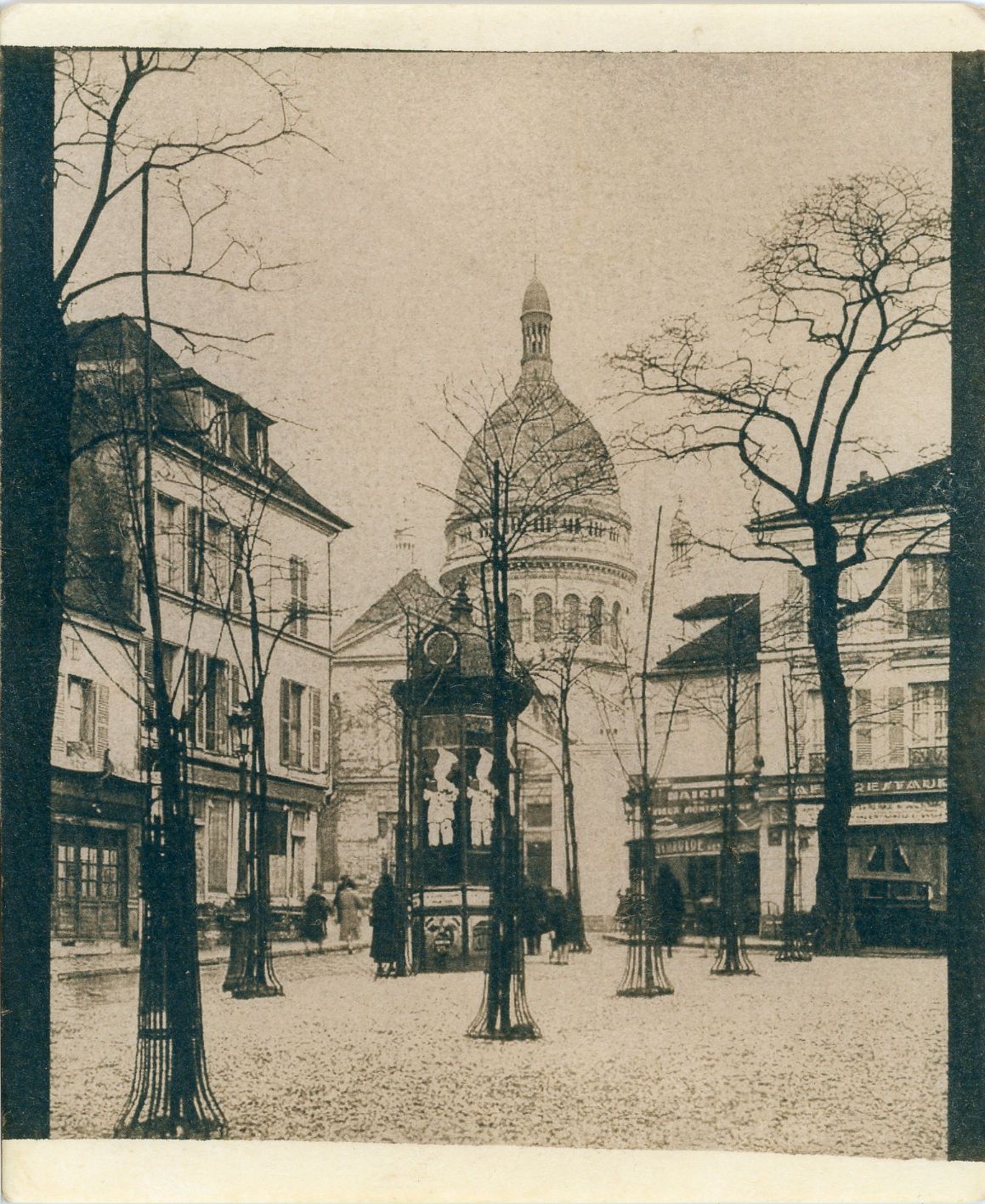
Teinture Eau de Javel - acide tannique
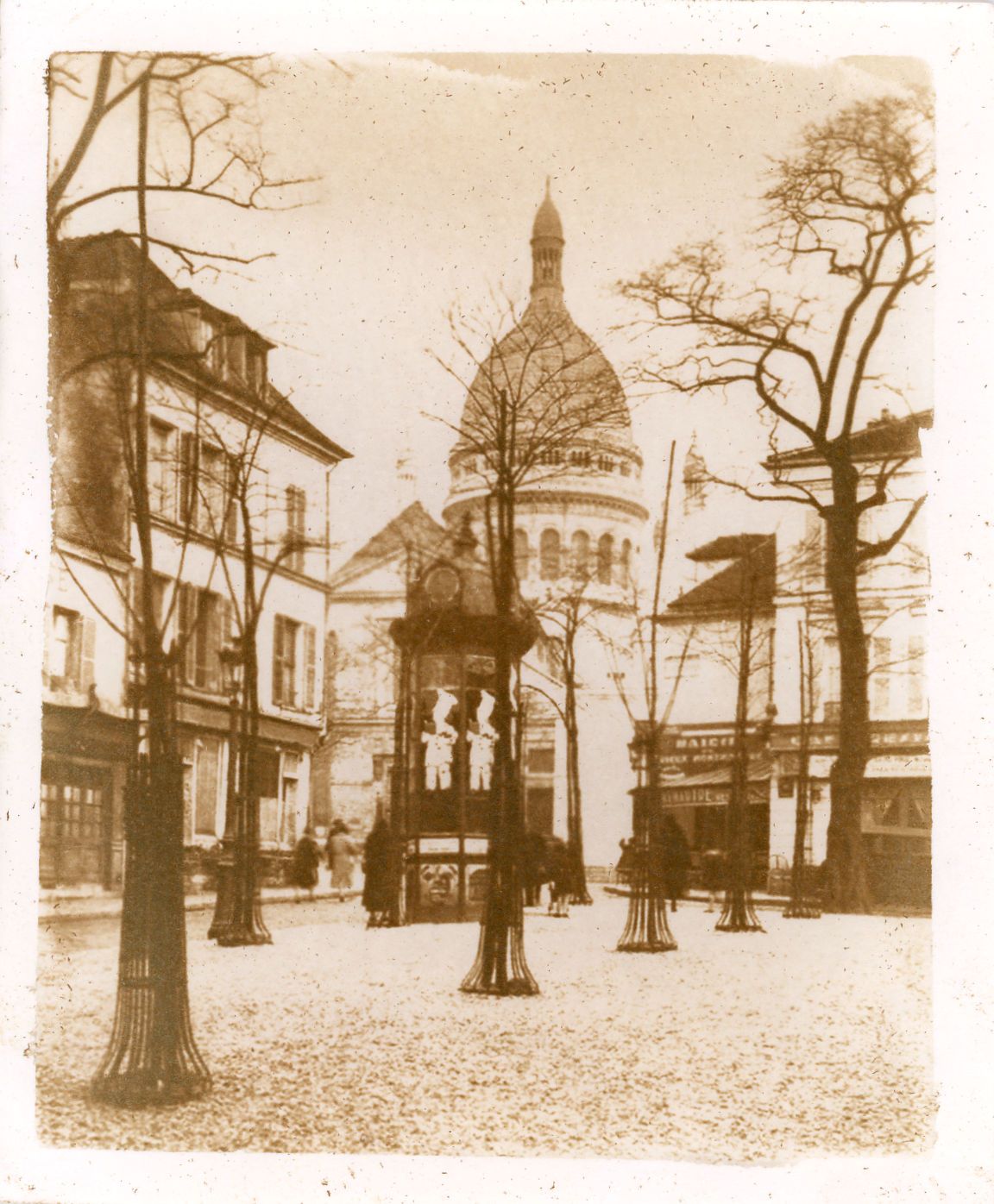
Éclaircissement à l'eau de Javel, puis teinture à l'acide tannique. La meilleure teinture que j'a...
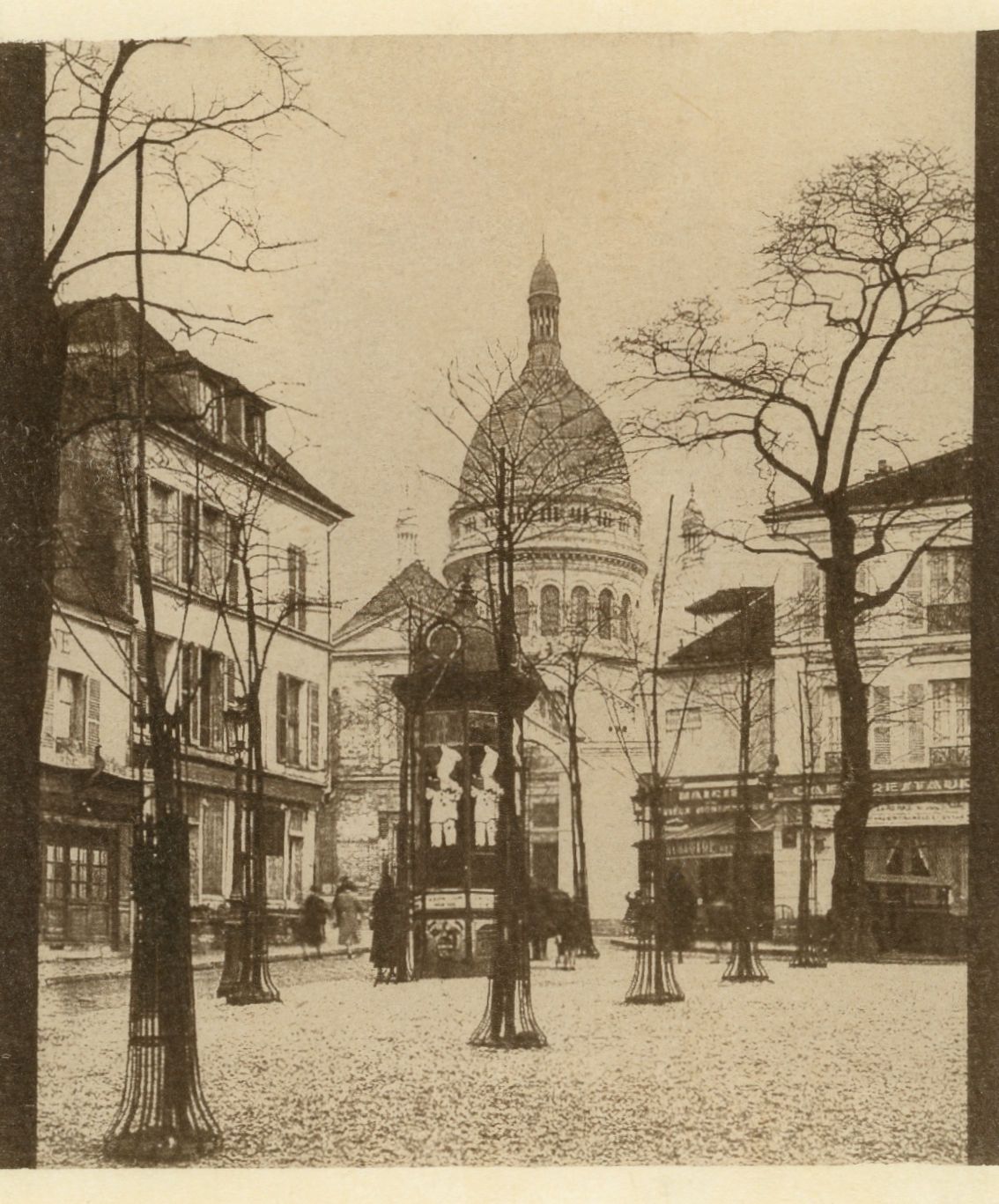
Teinture Na2CO3 - acide tannique
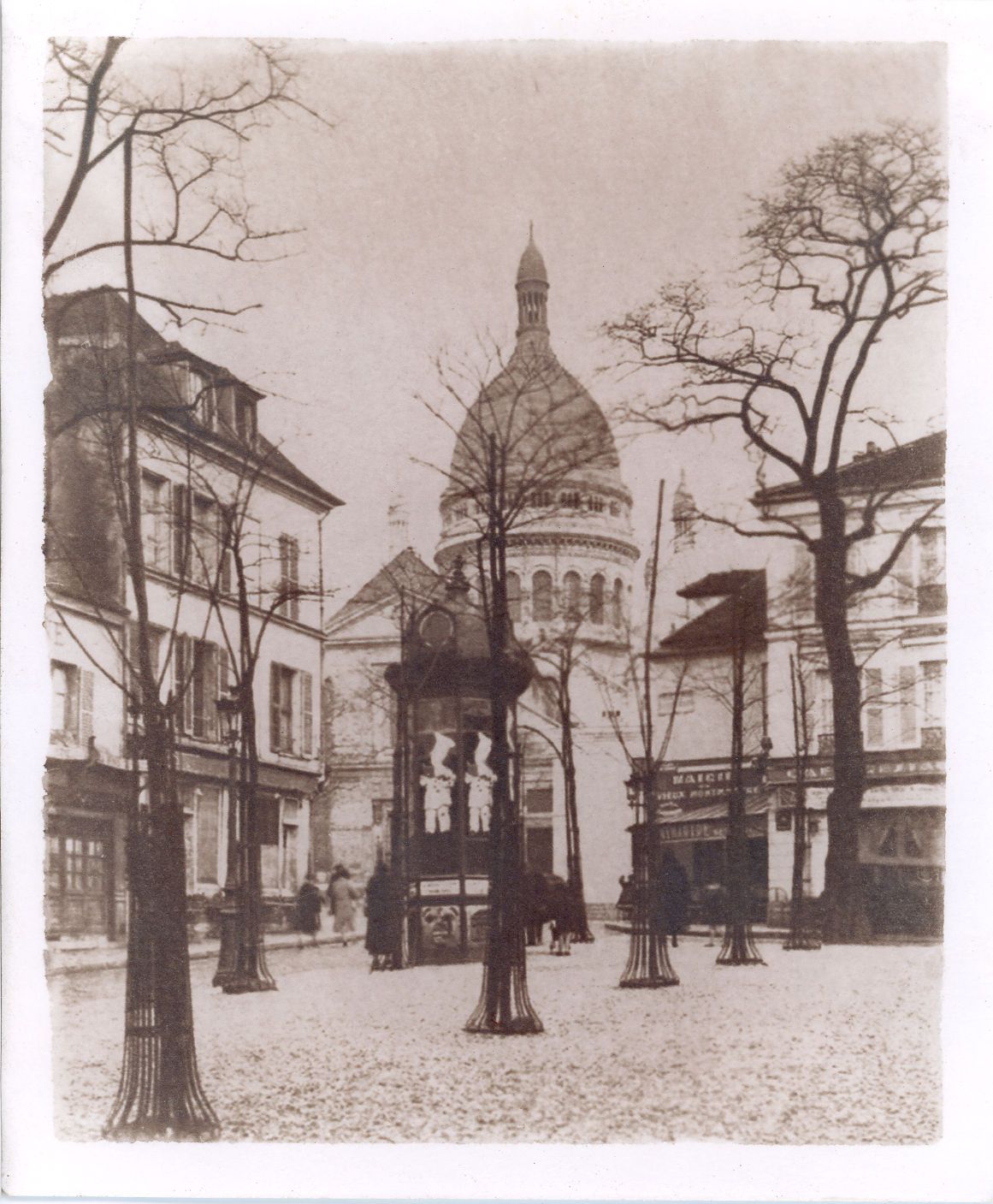
Éclaircissement au carbonate de calcium, puis teinture à l'acide tannique.
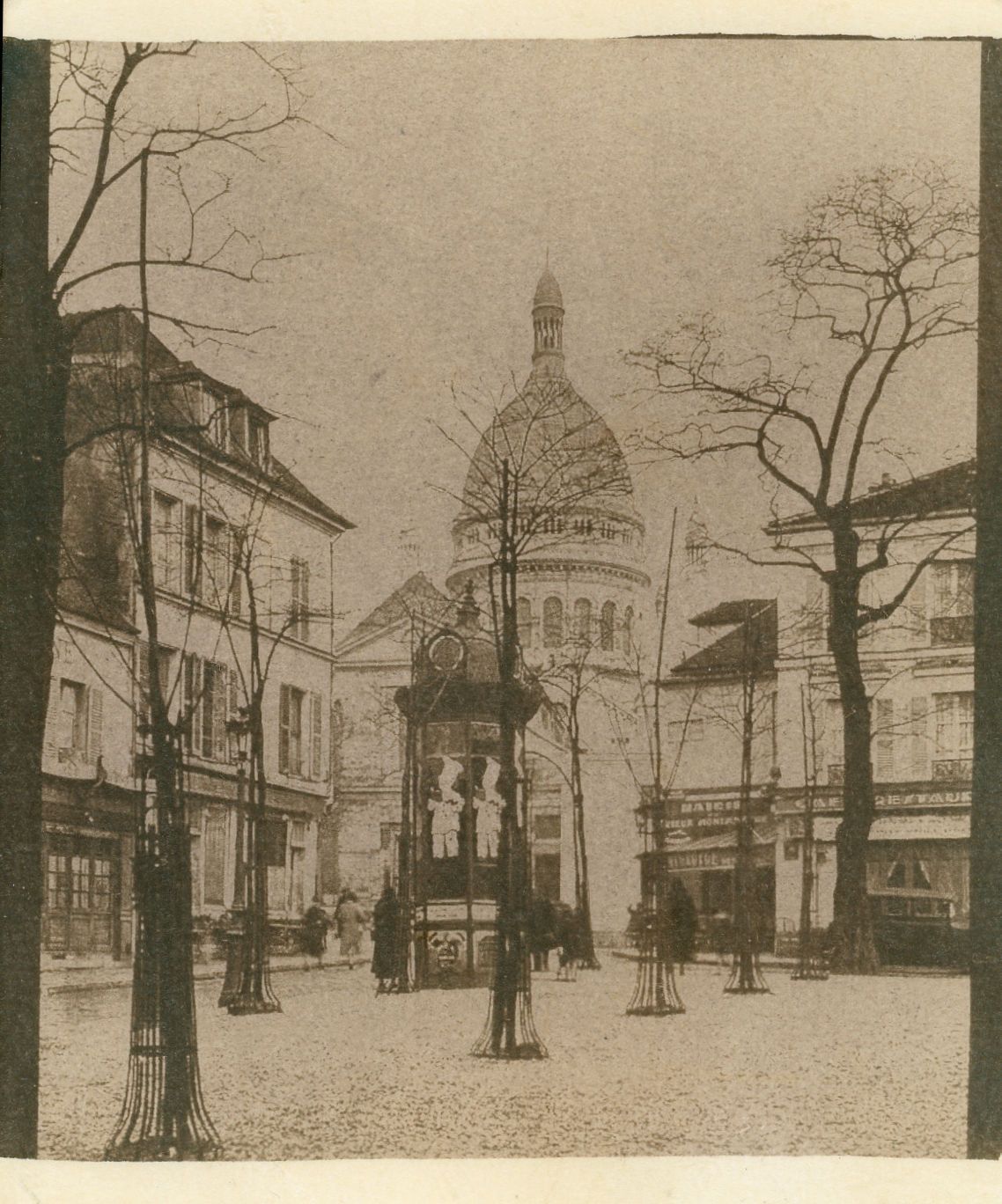
Teinture Ammoniaque - acide tannique
Éclaircissement à l'ammoniaque fortement dilué, puis teinture à l'acide tannique.
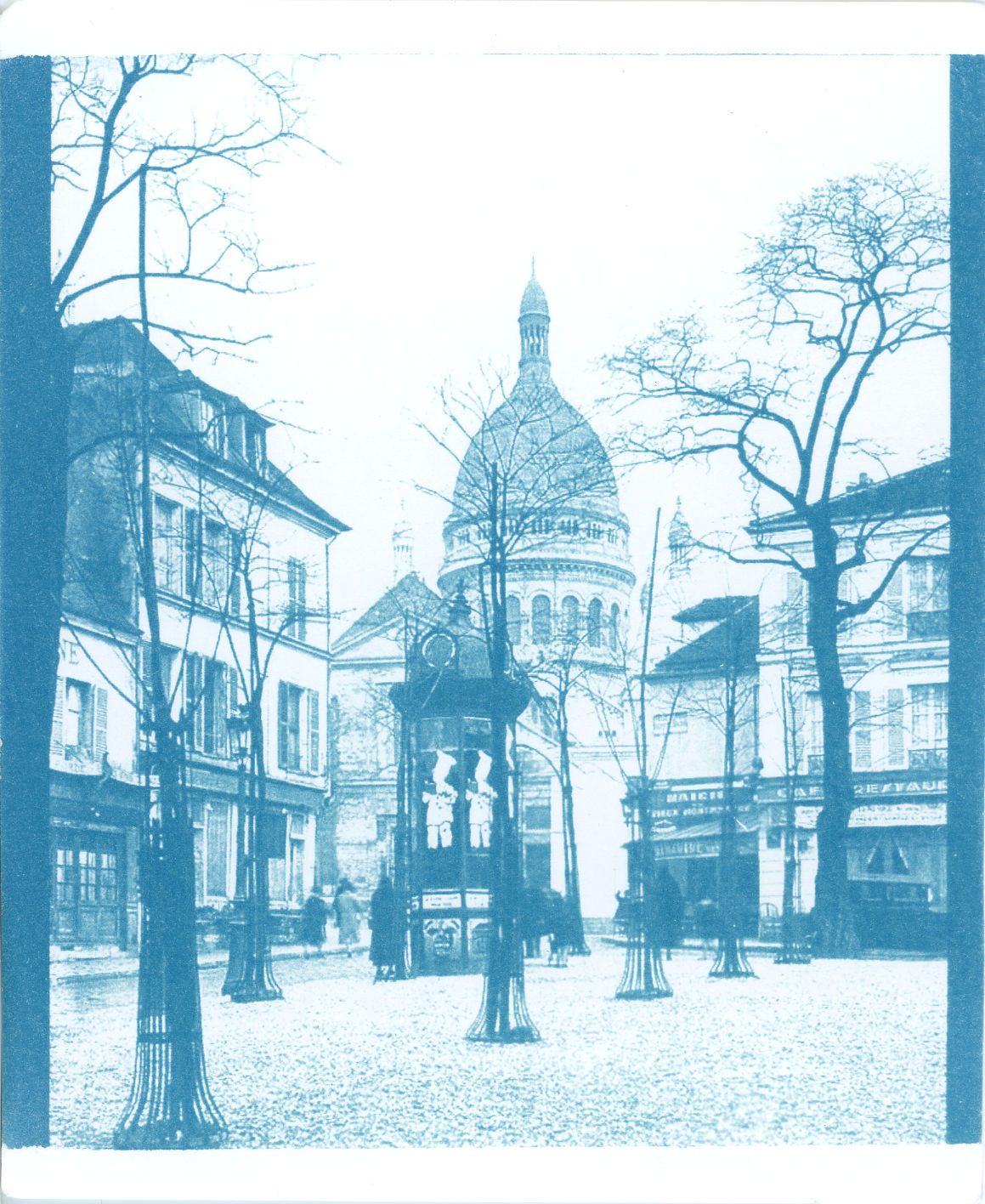
Virage MnSO4
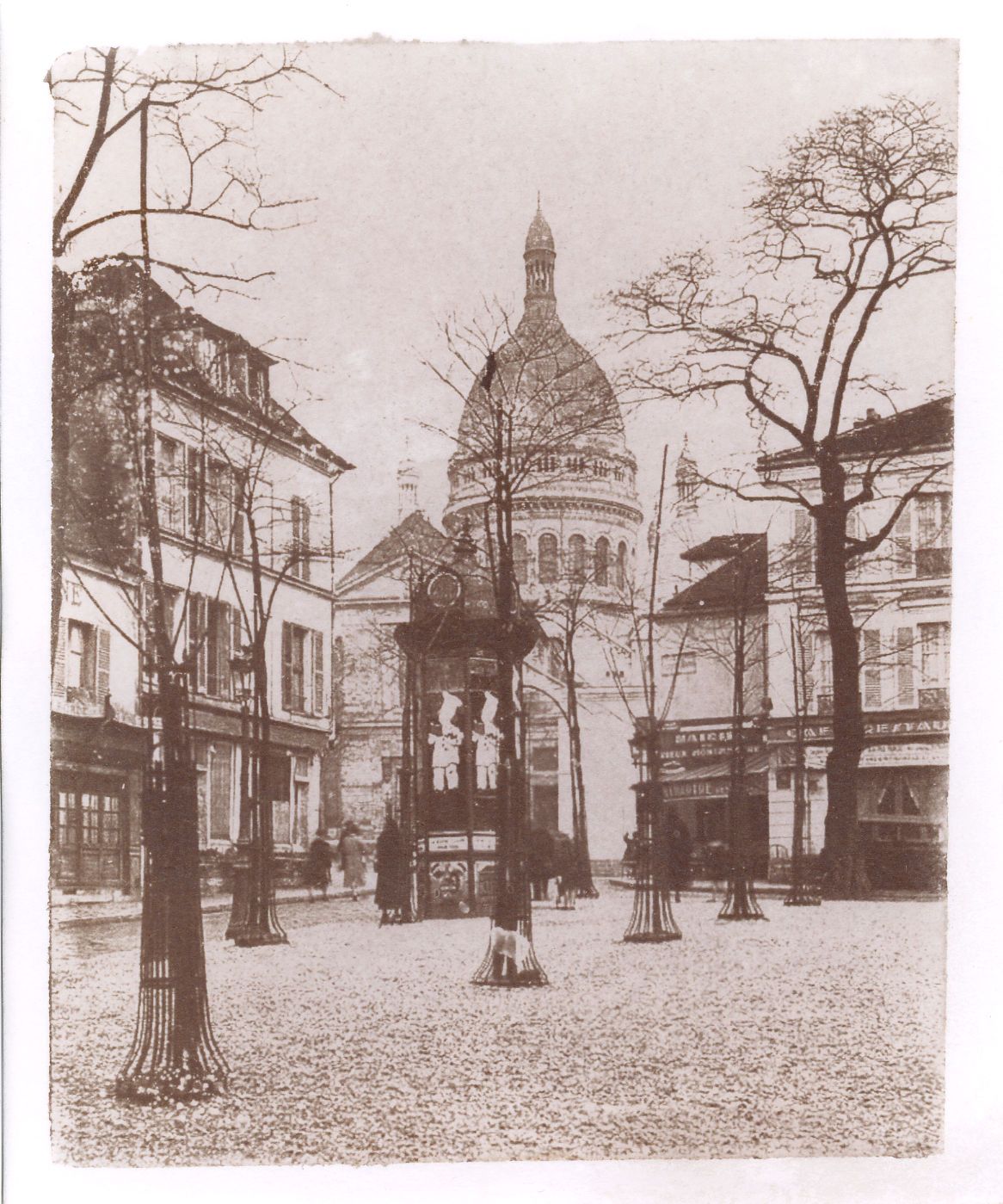
Bain de sulfate de manganèse après un cyanotype normal
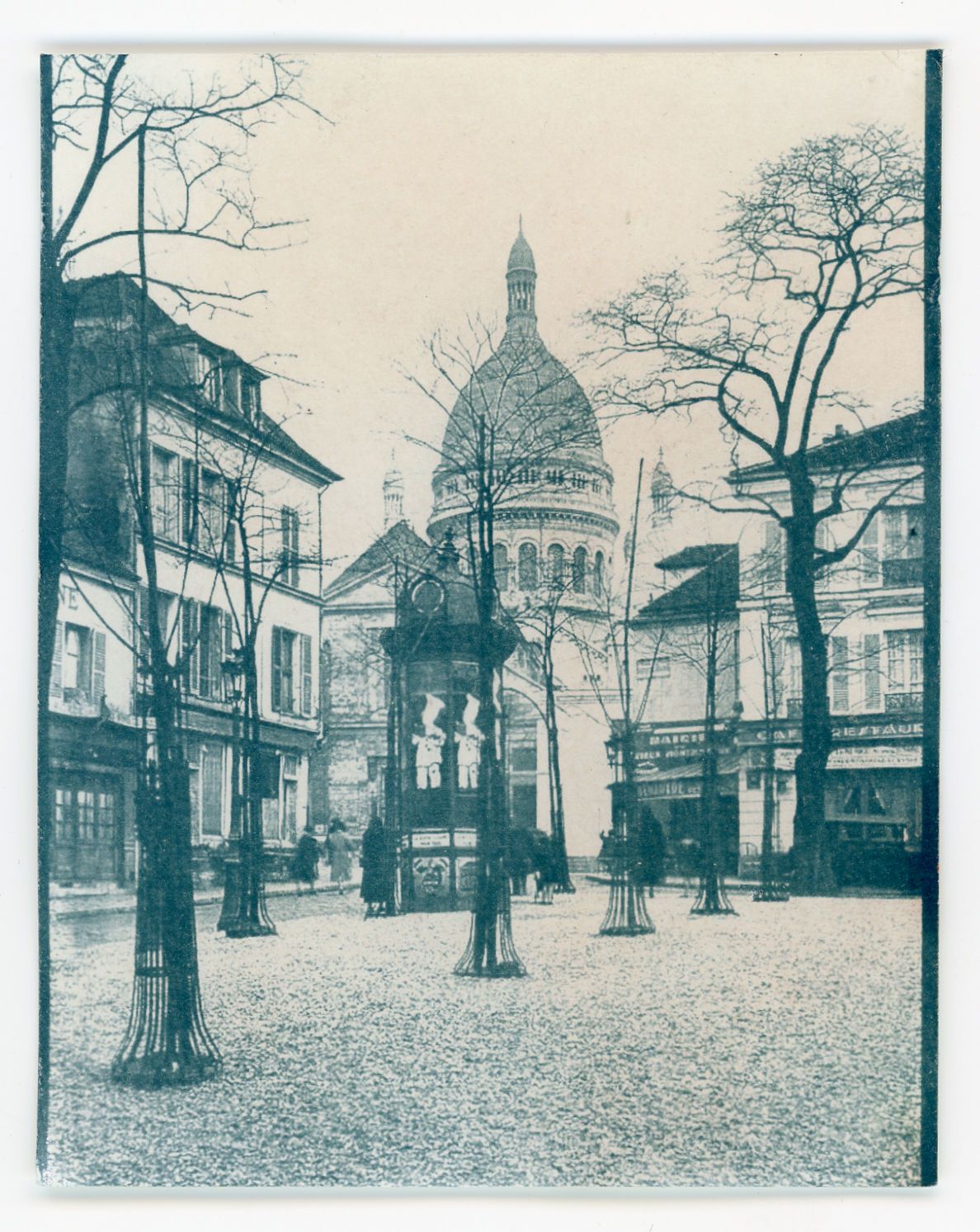
Virage CuSO4
Bain de sulfate de cuivre après un cyanotype normal
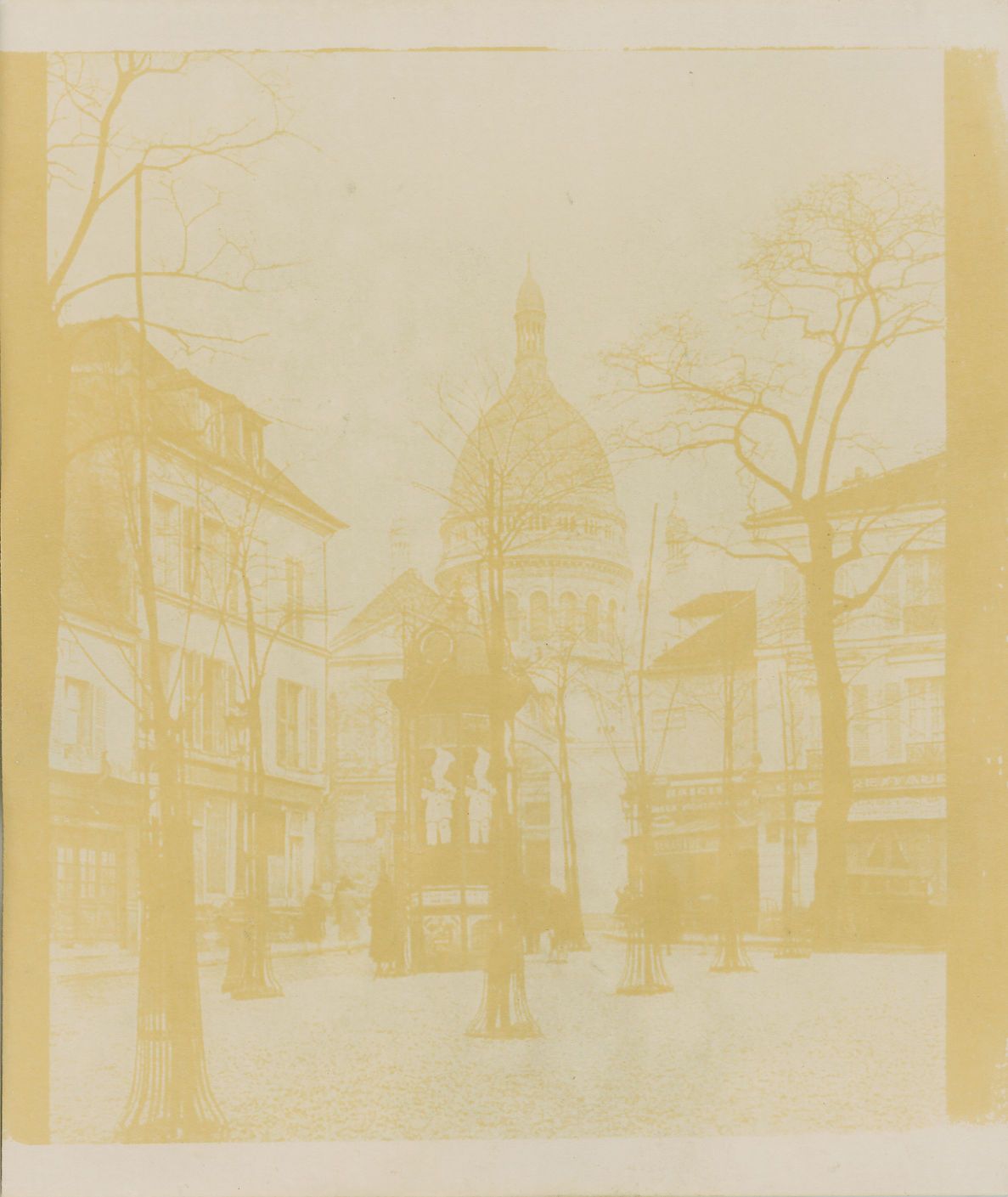
Virage CuSO4 - Na2S
Bain de sulfate de cuivre/Sulfure de sodium après un cyanotype normal. L'utilisation de Na2S est to...
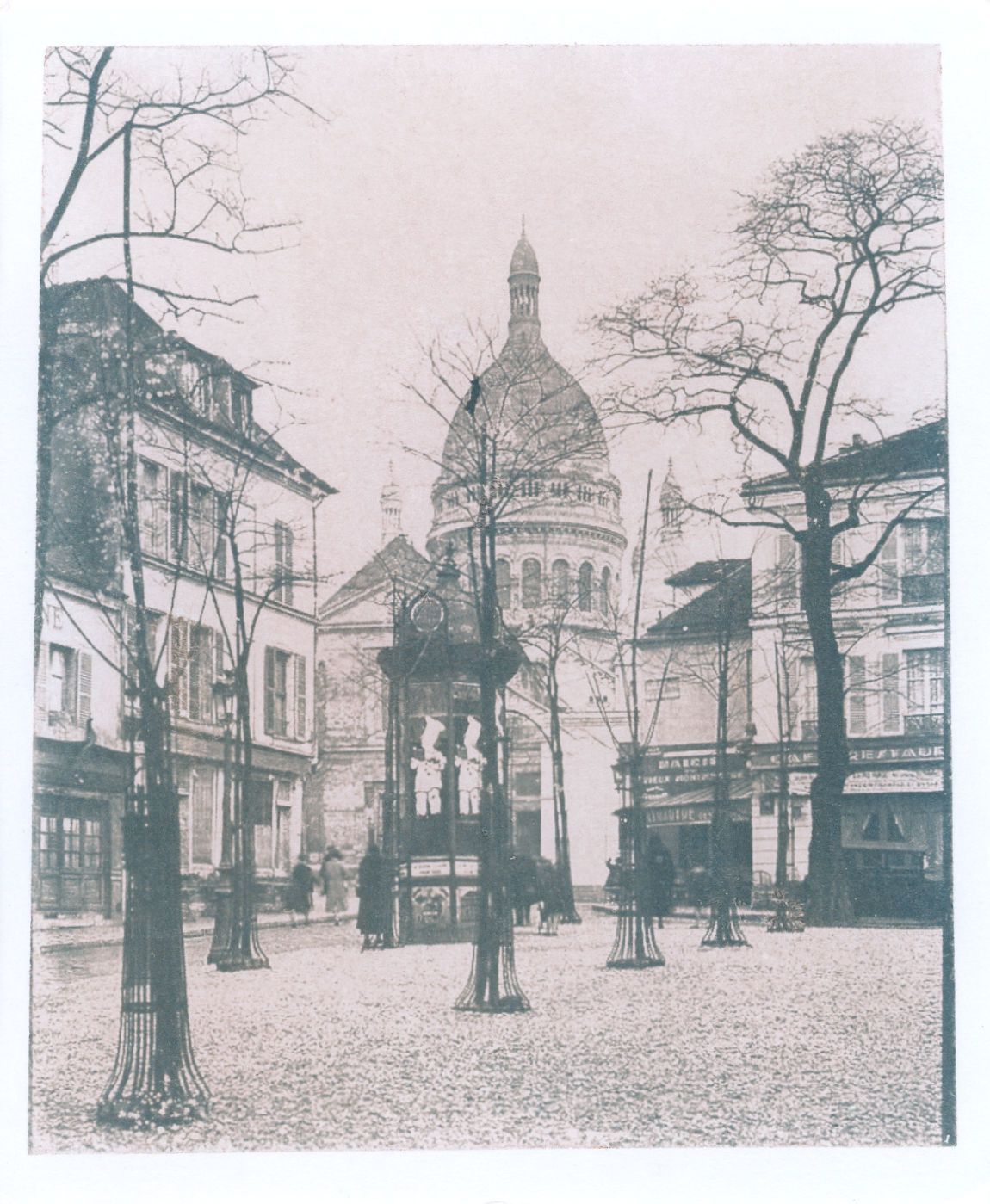
Virage CuSO4 - Vitamine C
Bain de sulfate de cuivre puis d'acide ascorbique après un cyanotype normal. Ce virage est intéress...
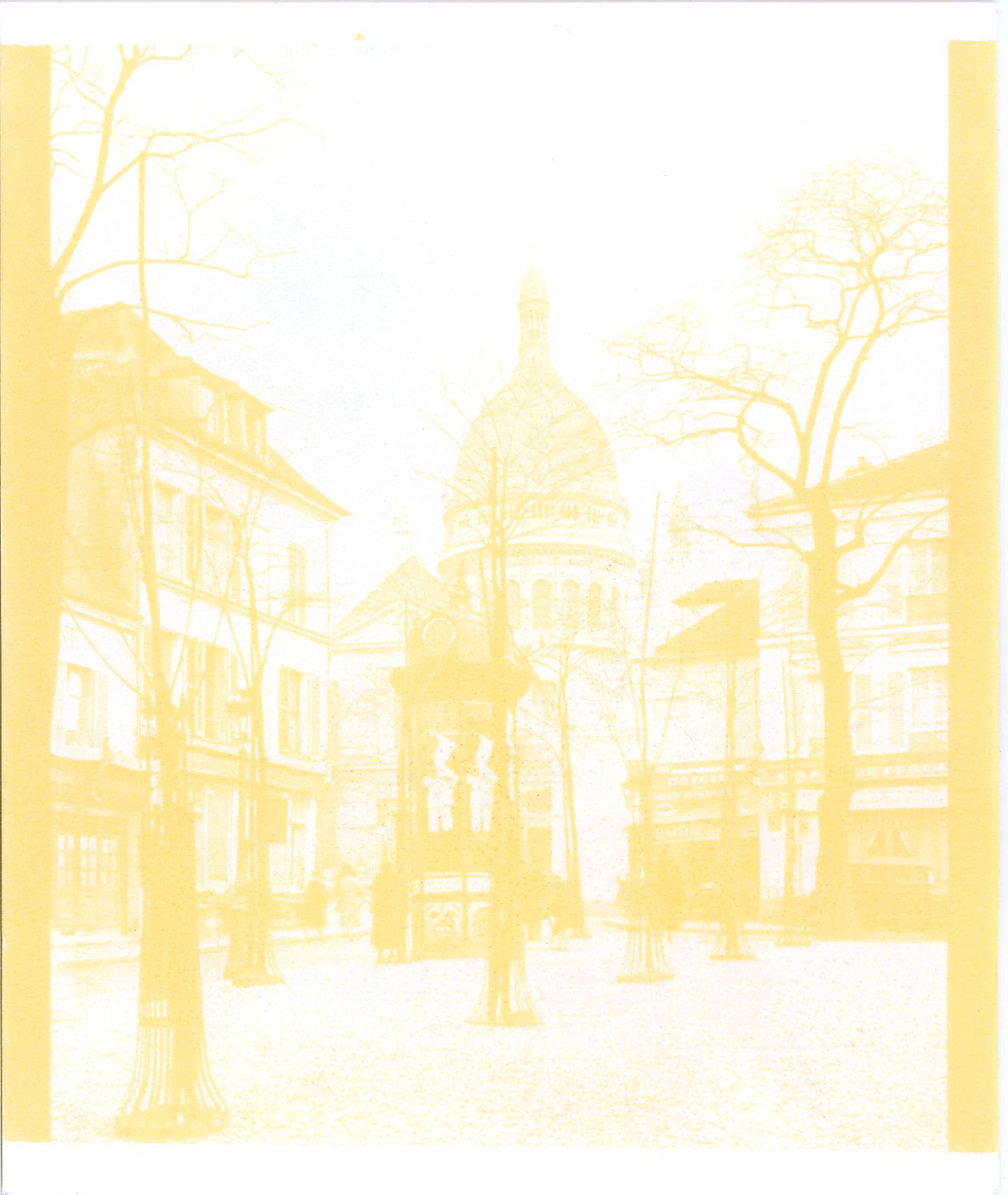
Virage Na2S
Comme le virage CuSO4-Na2S, va s'oxyder pour donner du soufre
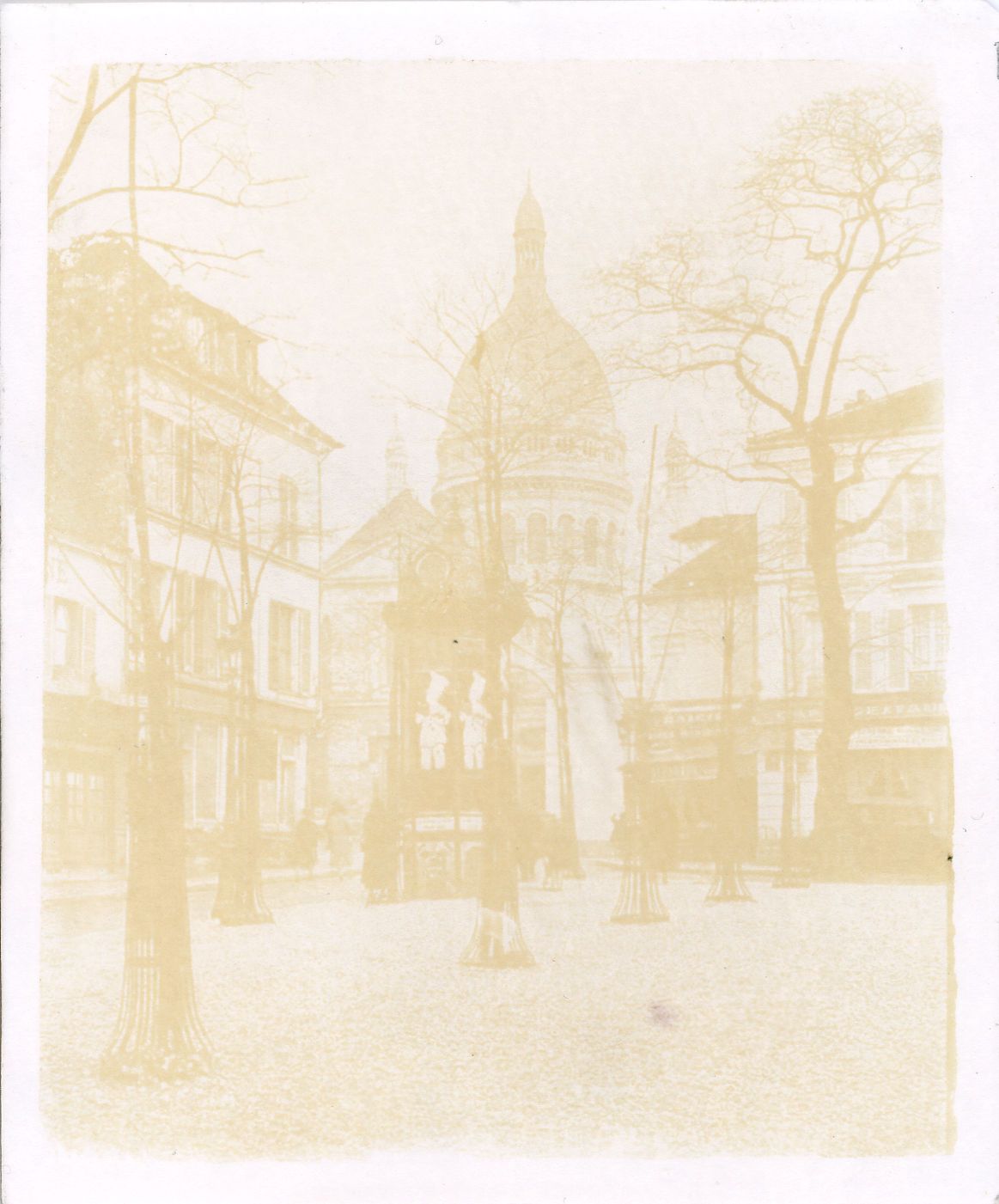
Virage Na2S - NiSO4
Bain de sulfate de nickel/Sulfure de sodium après un cyanotype normal. L'utilisation de Na2S est to...
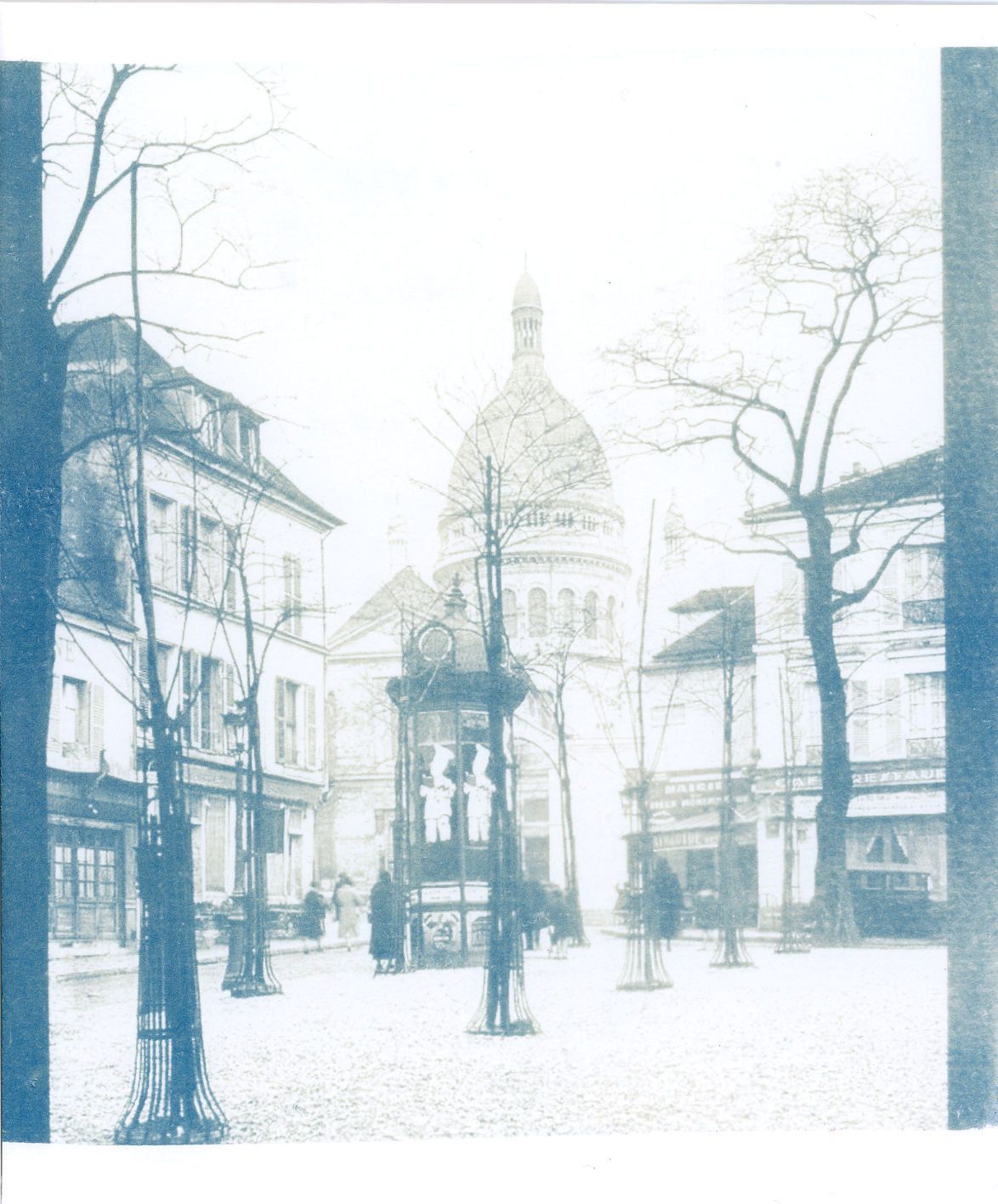
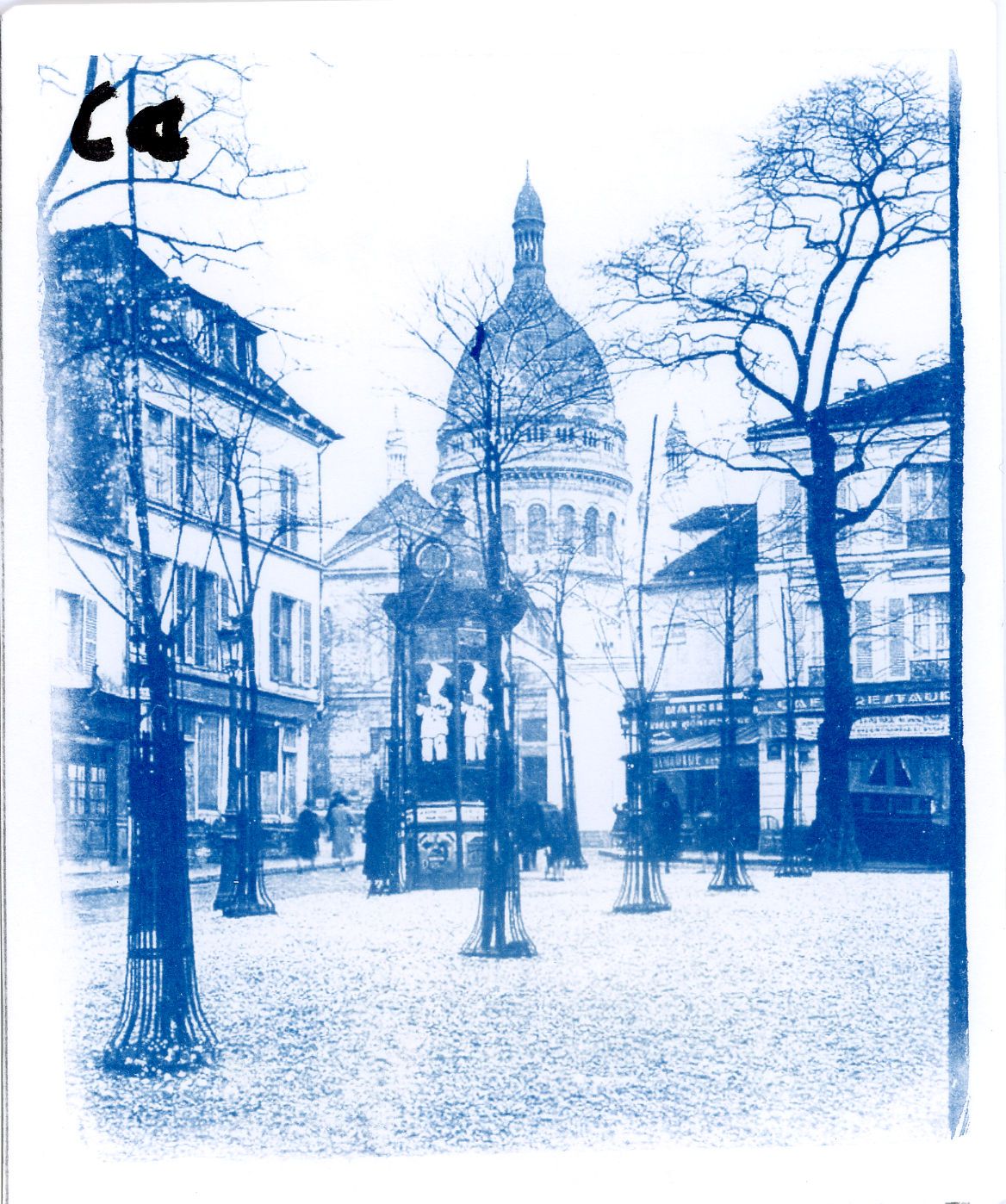
Virage CaCl2
Le chlorure de calcium n'a un grand intérêt : on obtient un léger blanchiment
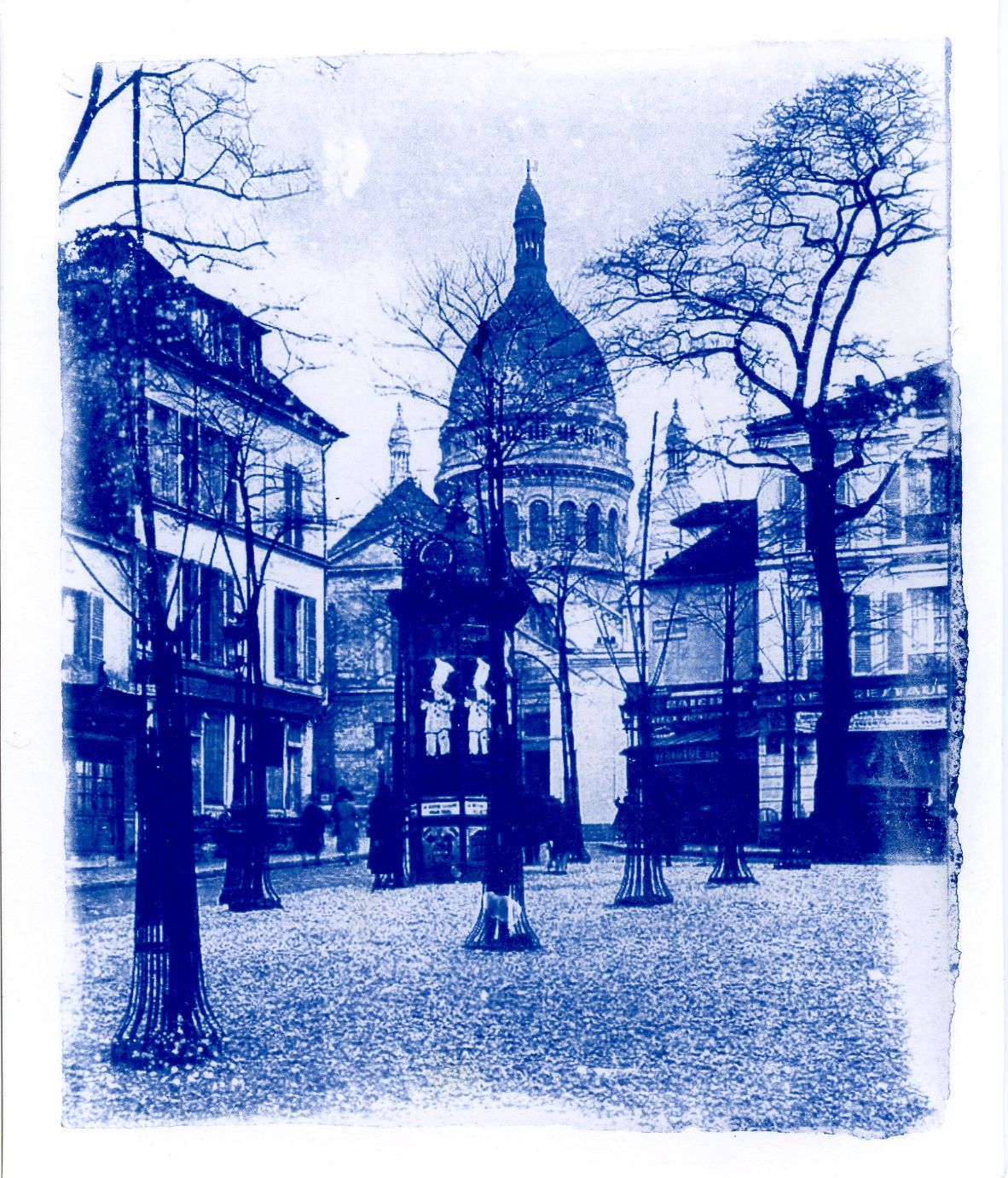
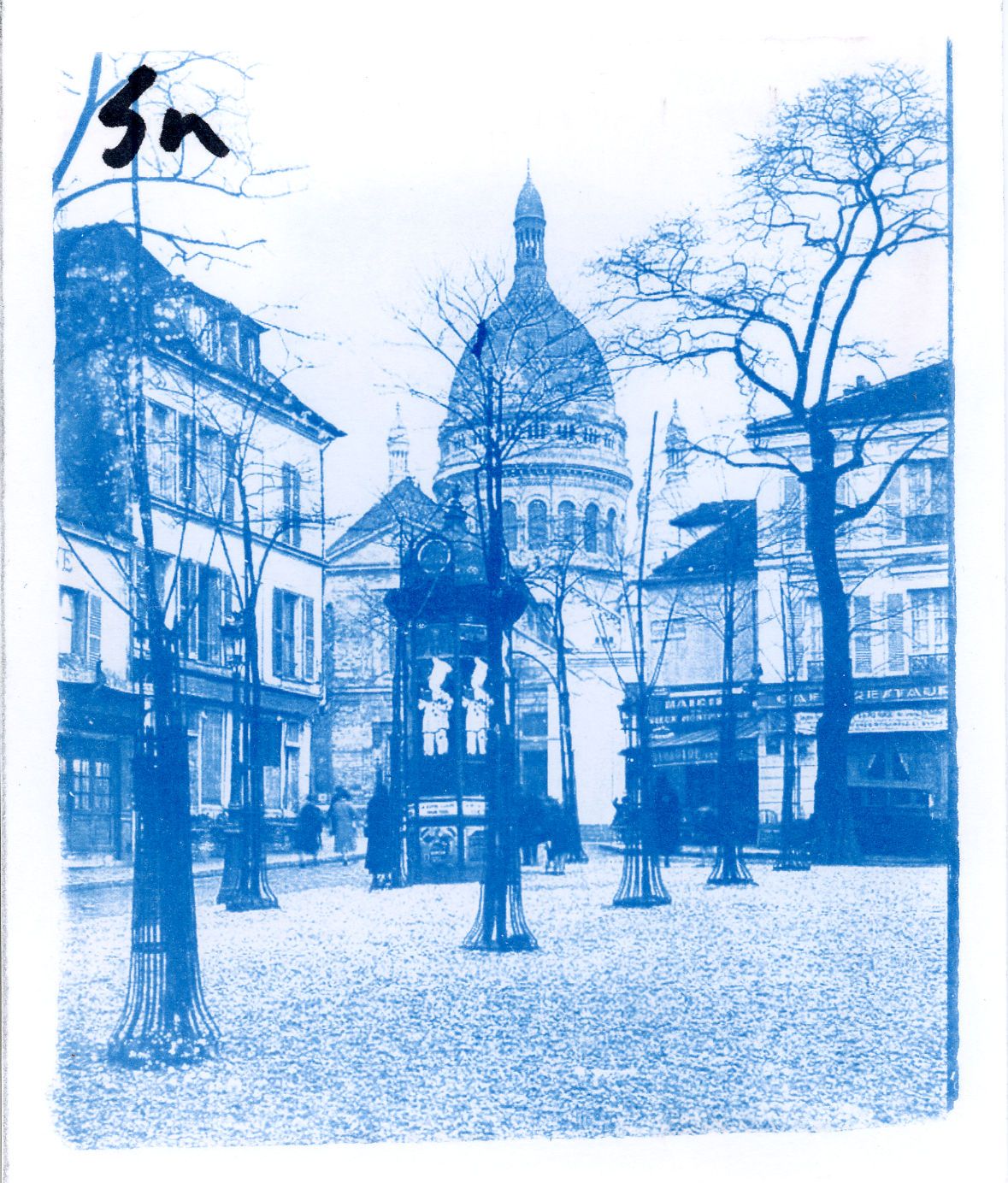
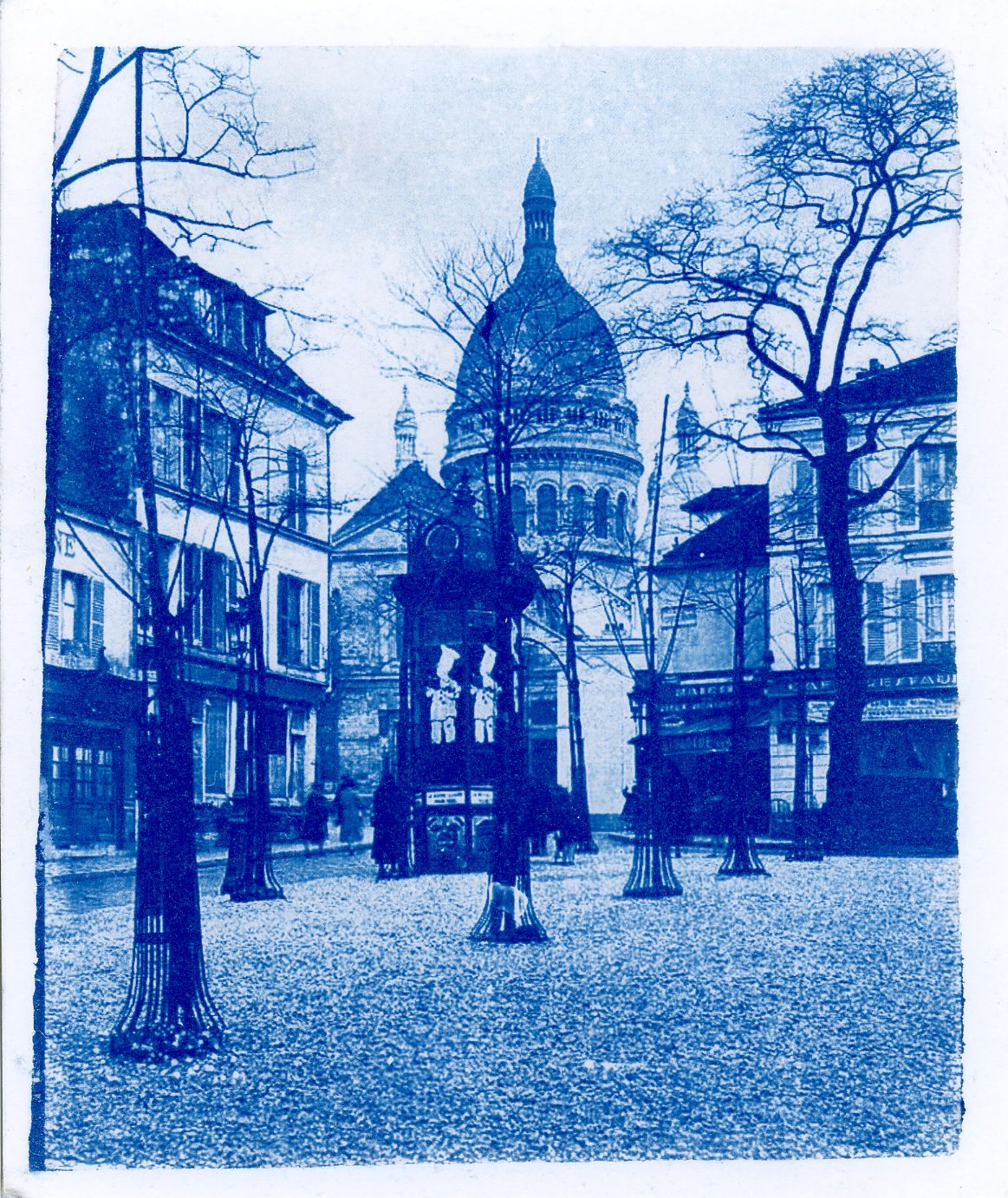
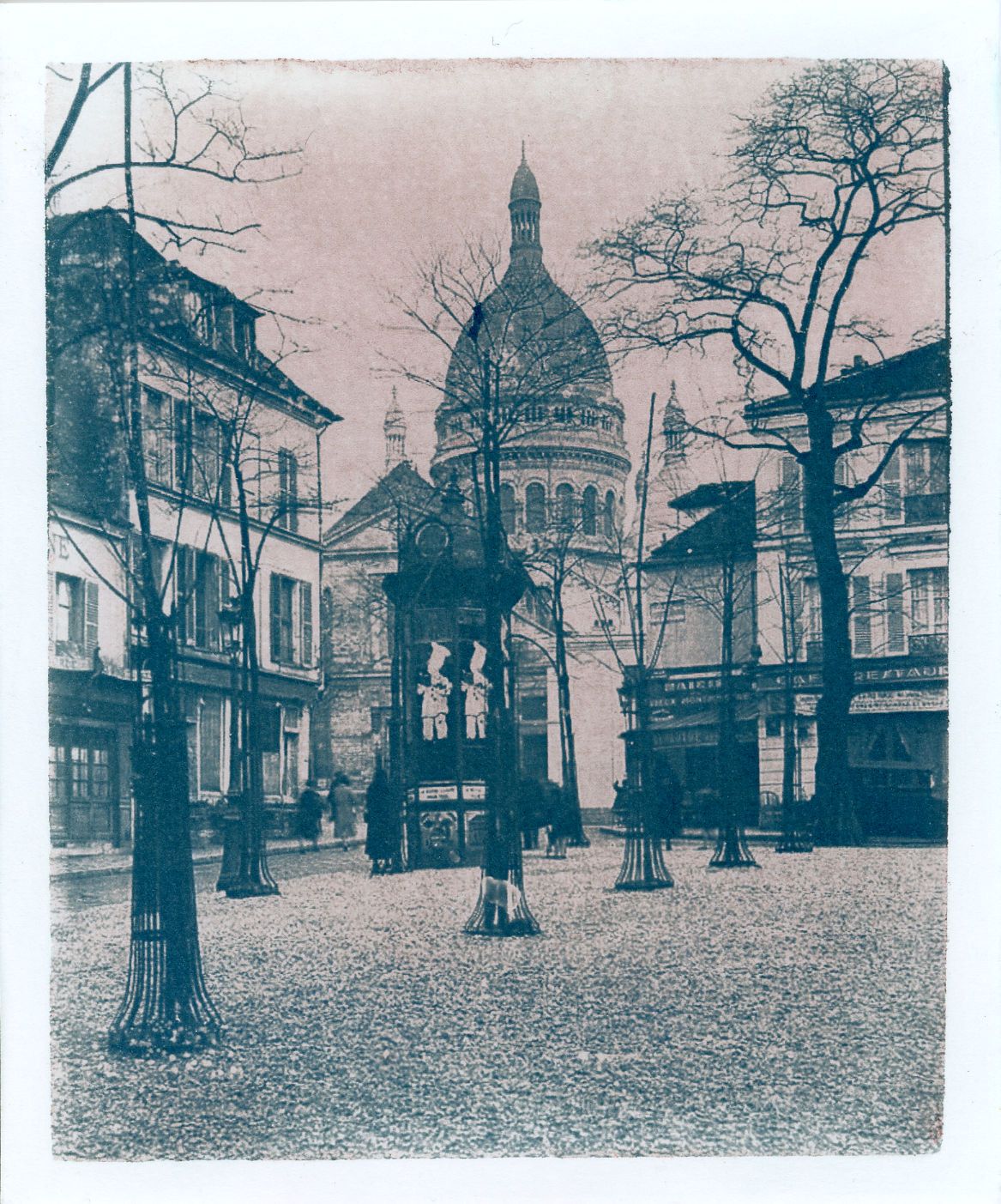
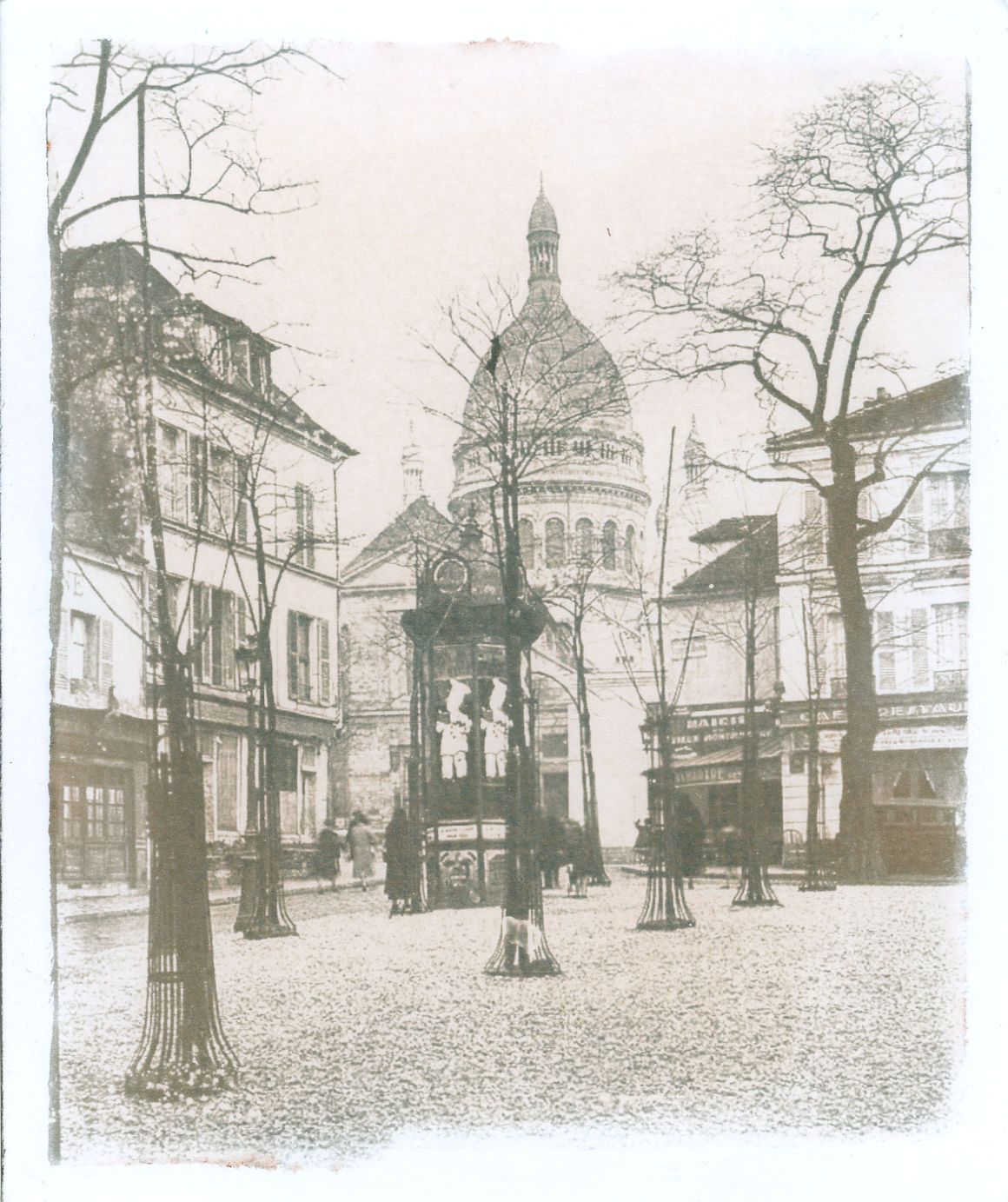
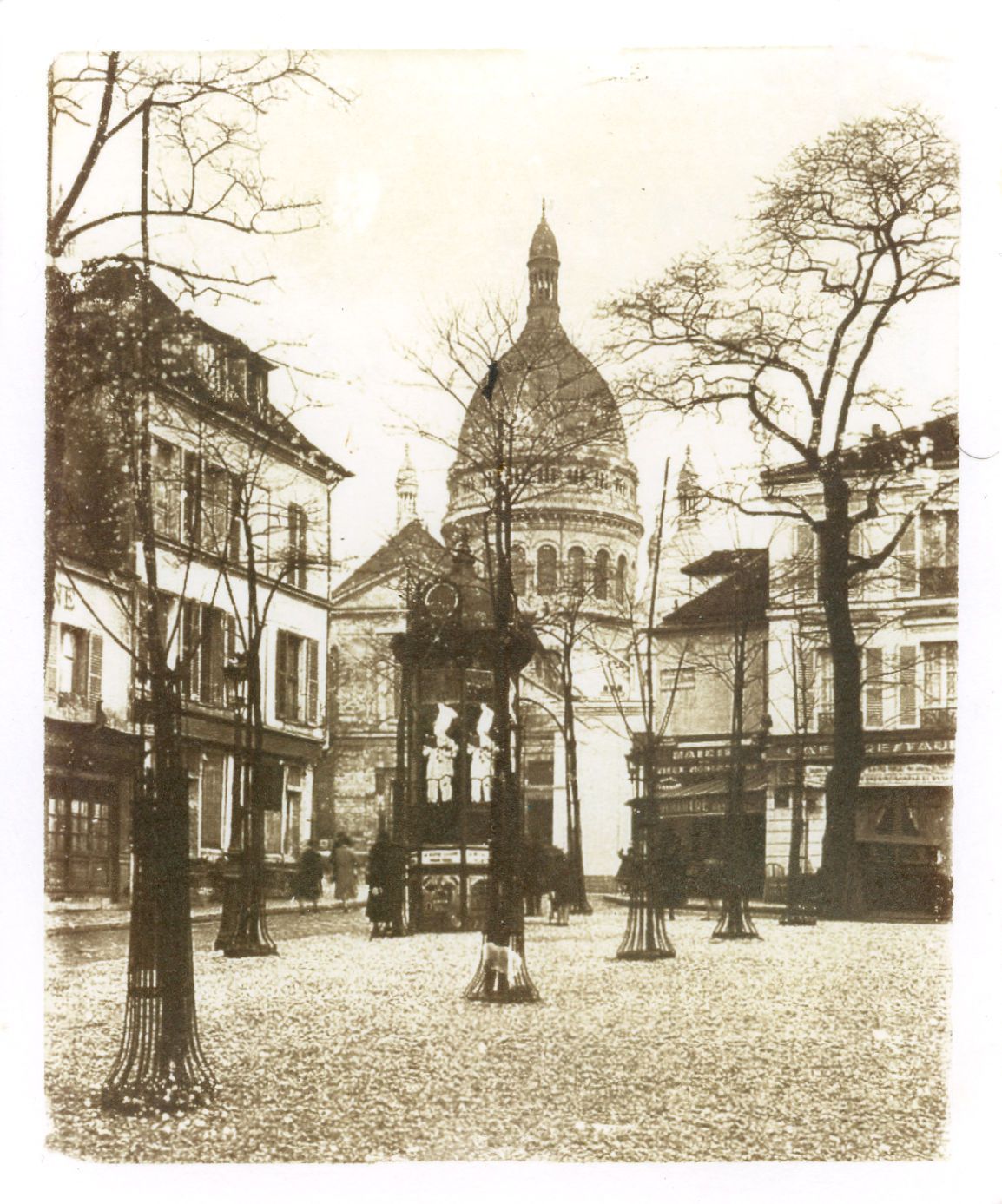
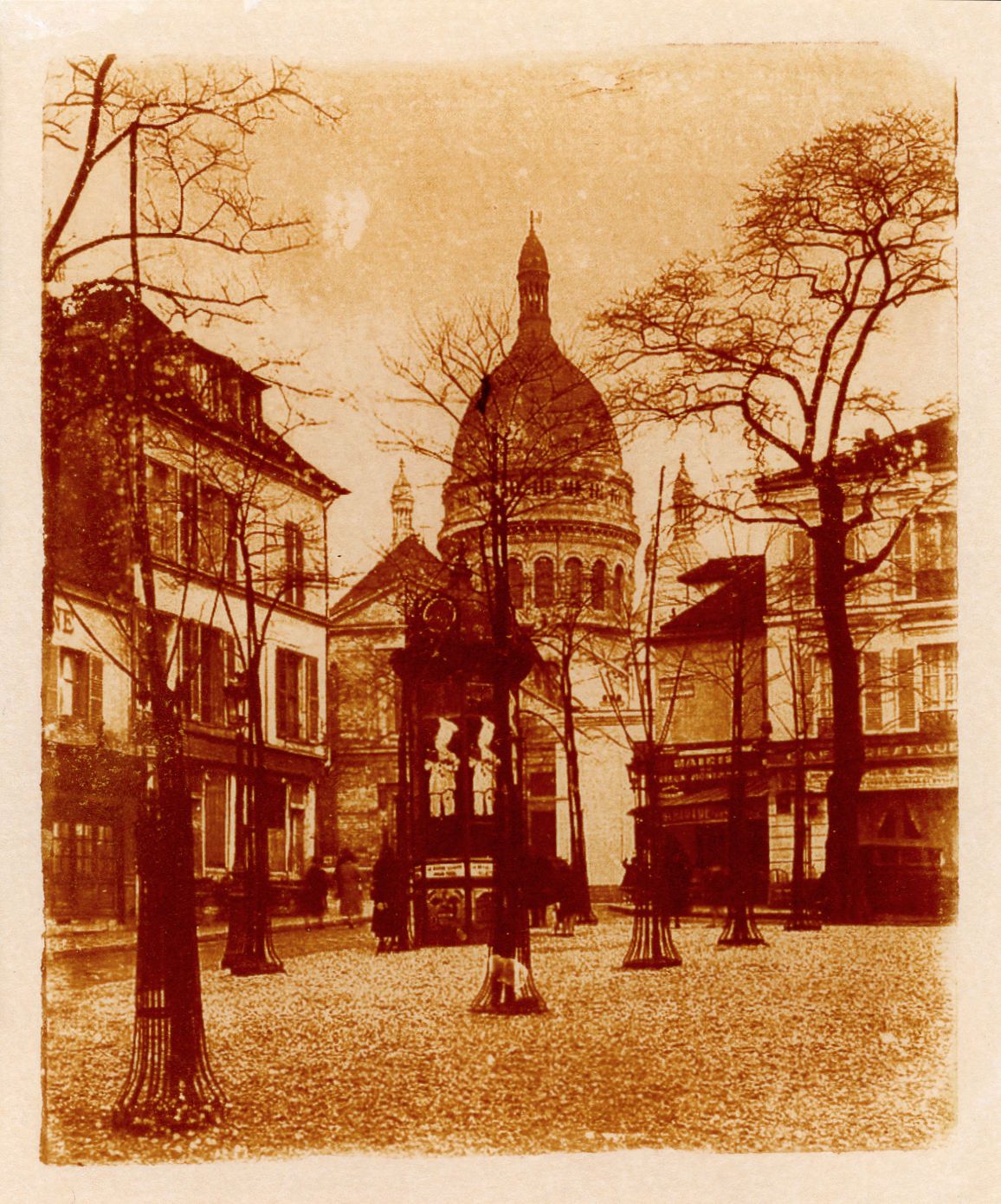
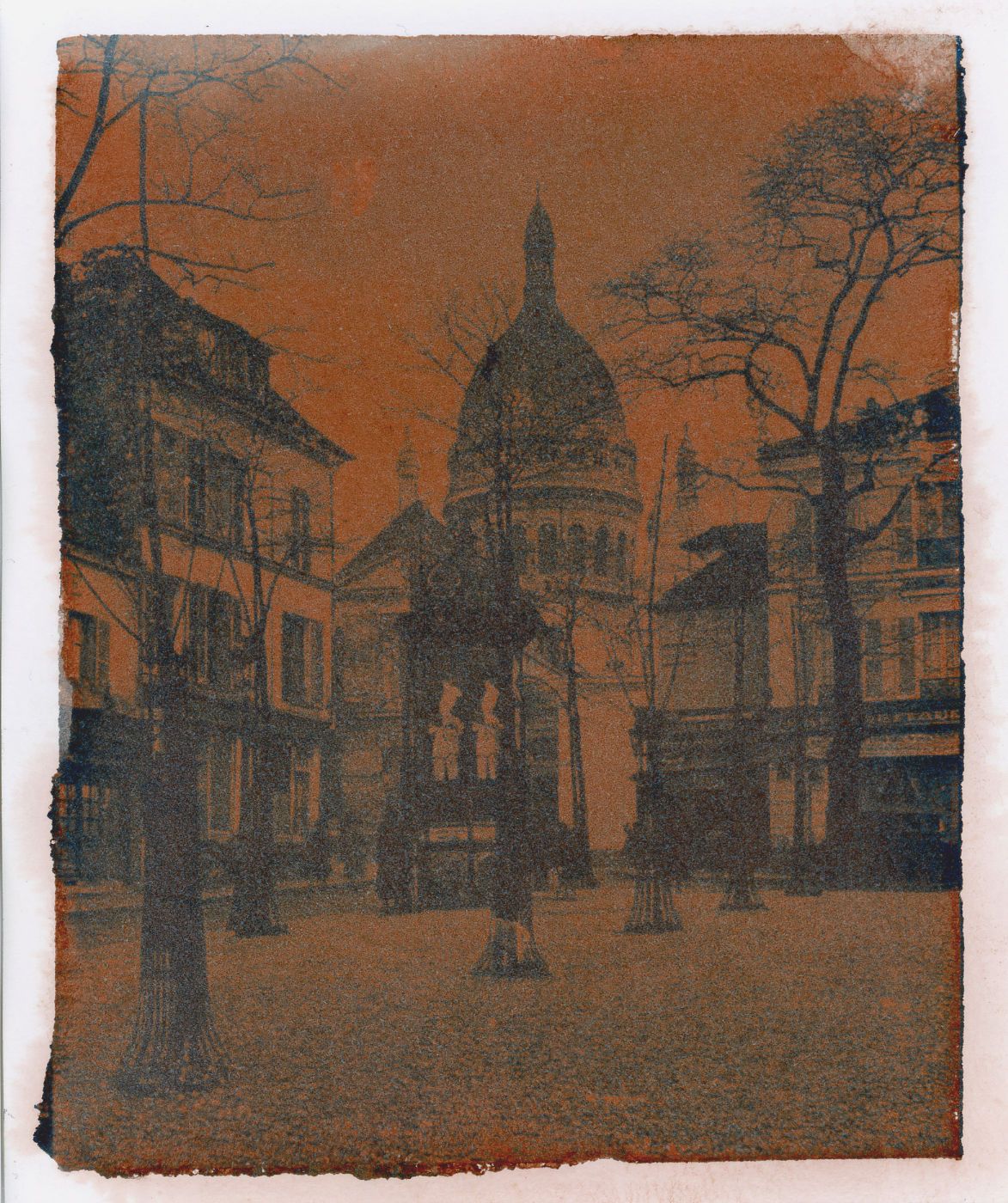
Développement CuSO4
Développement direct avec CuSO4, sans passer pas l'étape de lavage à l'eau. Il va donc se former du...
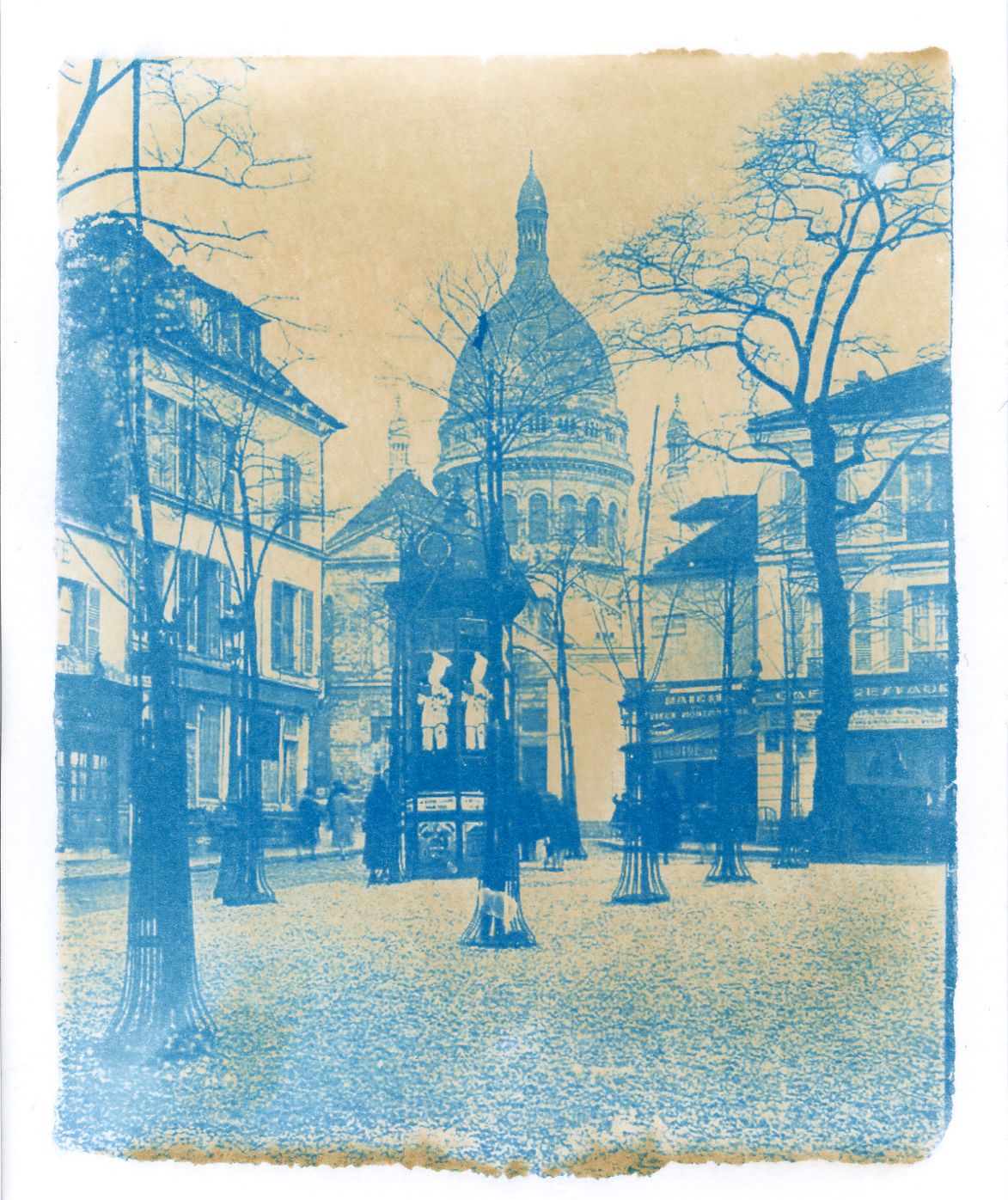
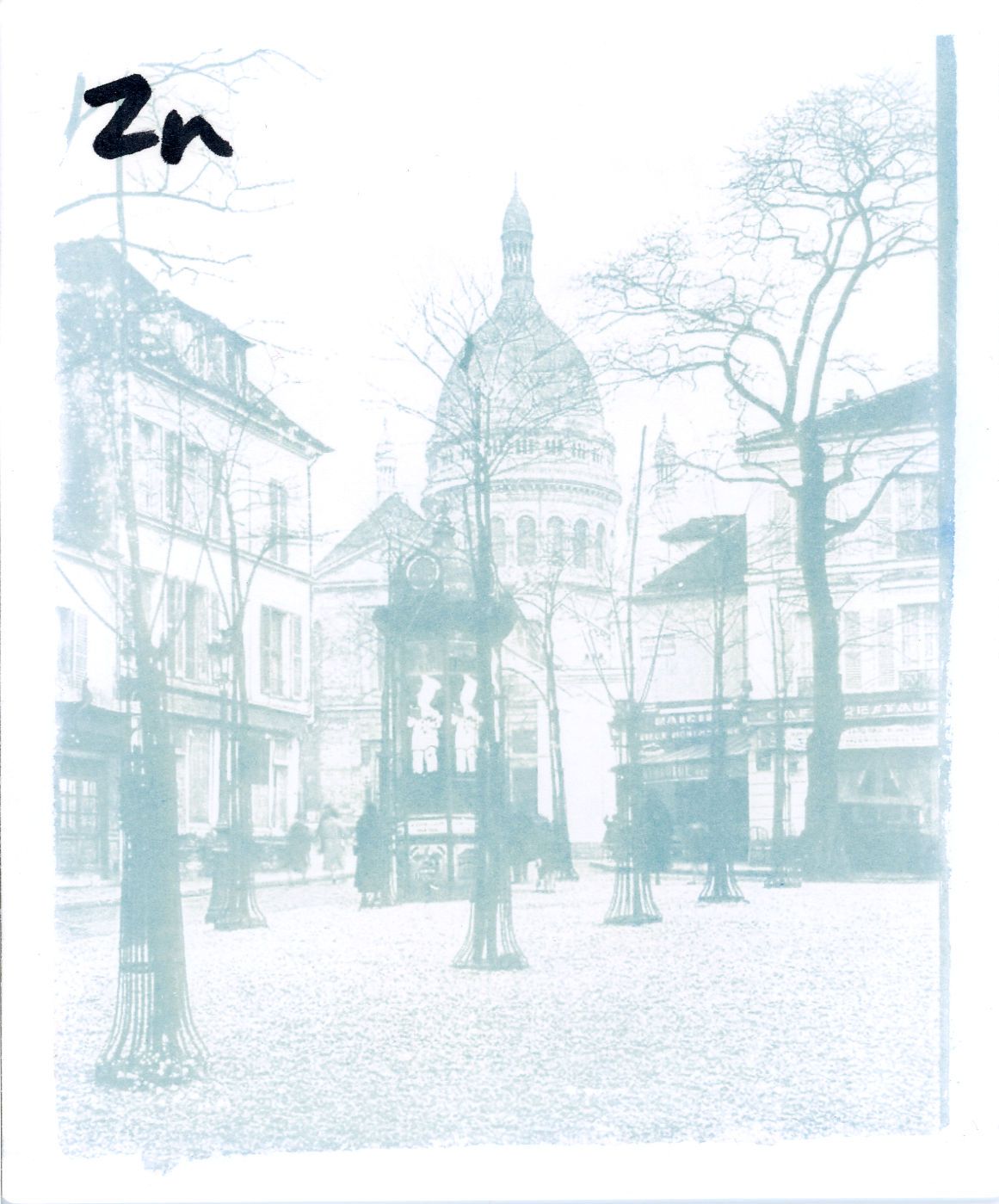
Développement ZnSO4
Développement direct avec ZnSO4, sans passer pas l'étape de lavage à l'eau. Il va donc se former du...
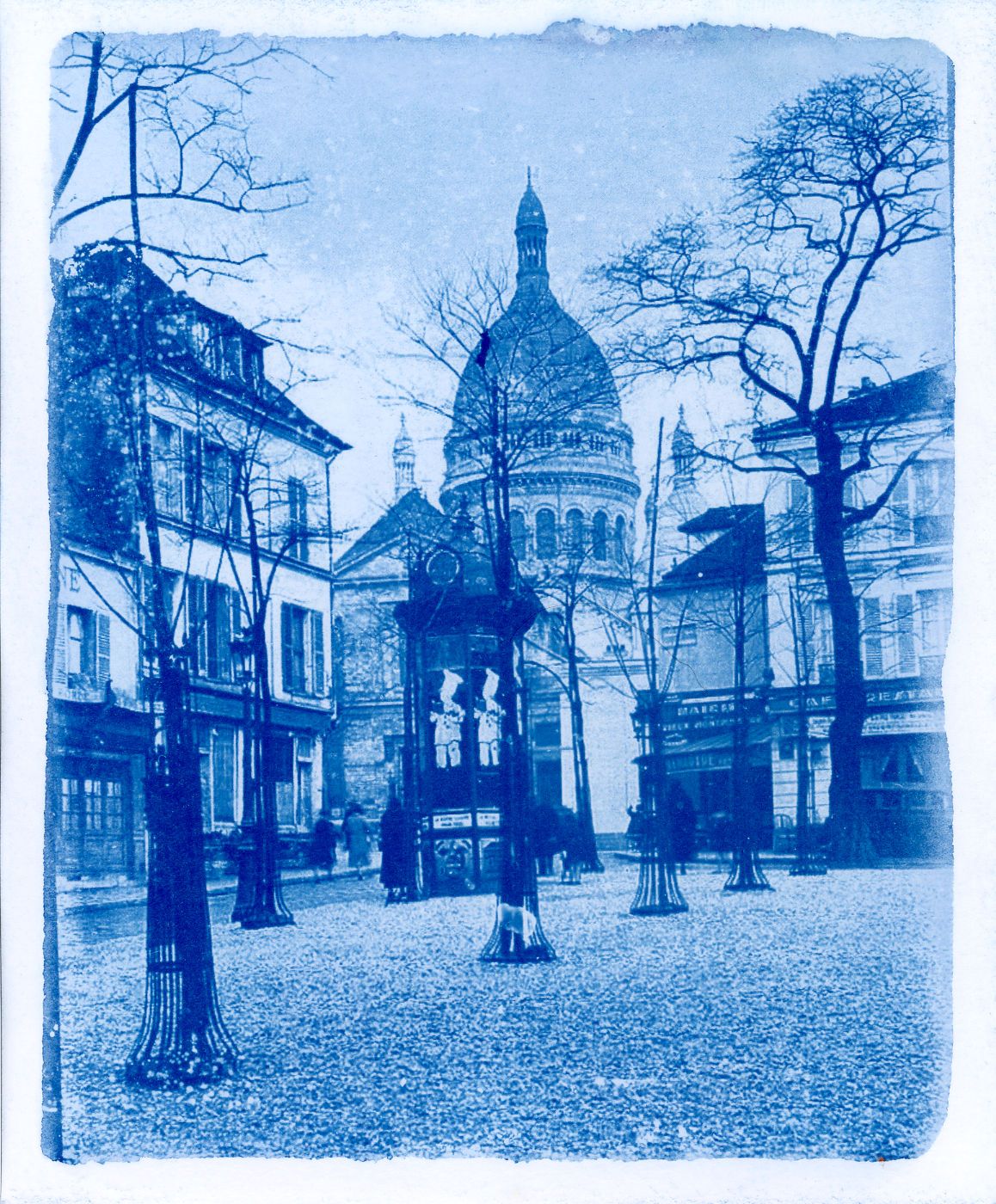
Développement SnCl2
Développement direct avec SnCl2, sans passer pas l'étape de lavage à l'eau. Il va donc se former du...
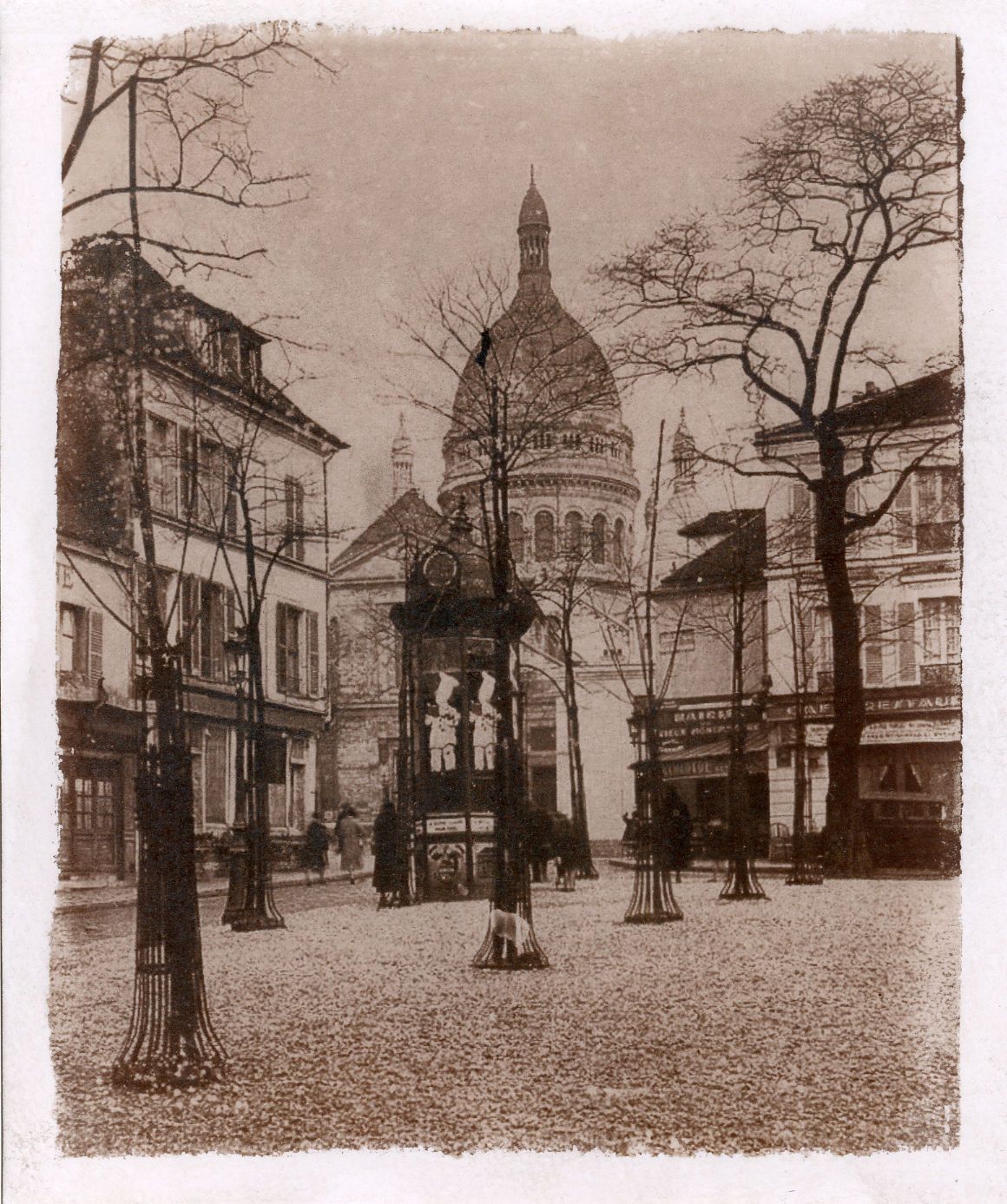
Développement DMDTC
Développement direct avec DMDTC, sans passer pas l'étape de lavage à l'eau. Il va donc se former du...
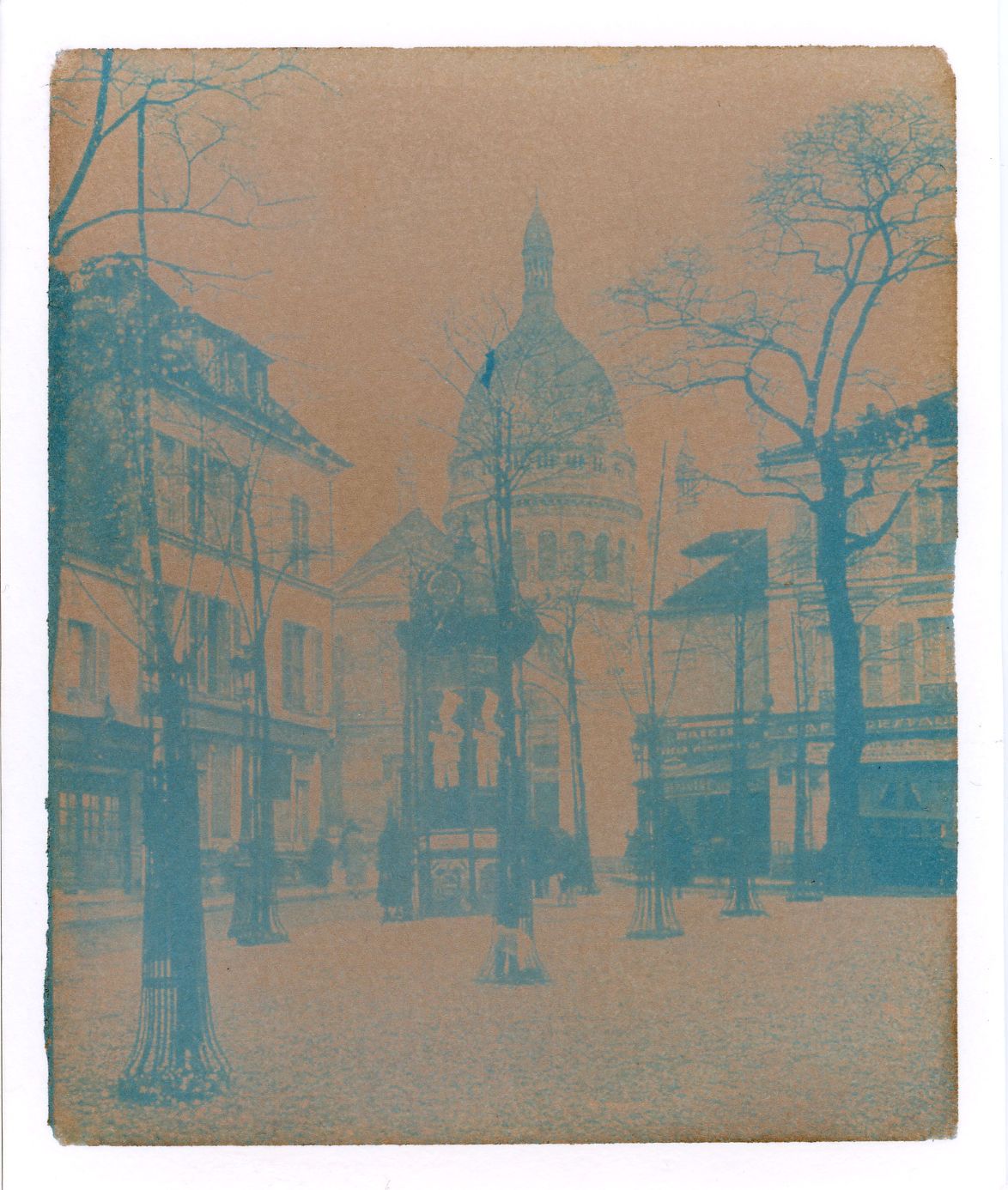
Développement MnSO4
Développement direct avec MnSO4, sans passer pas l'étape de lavage à l'eau. Il va donc se former du...
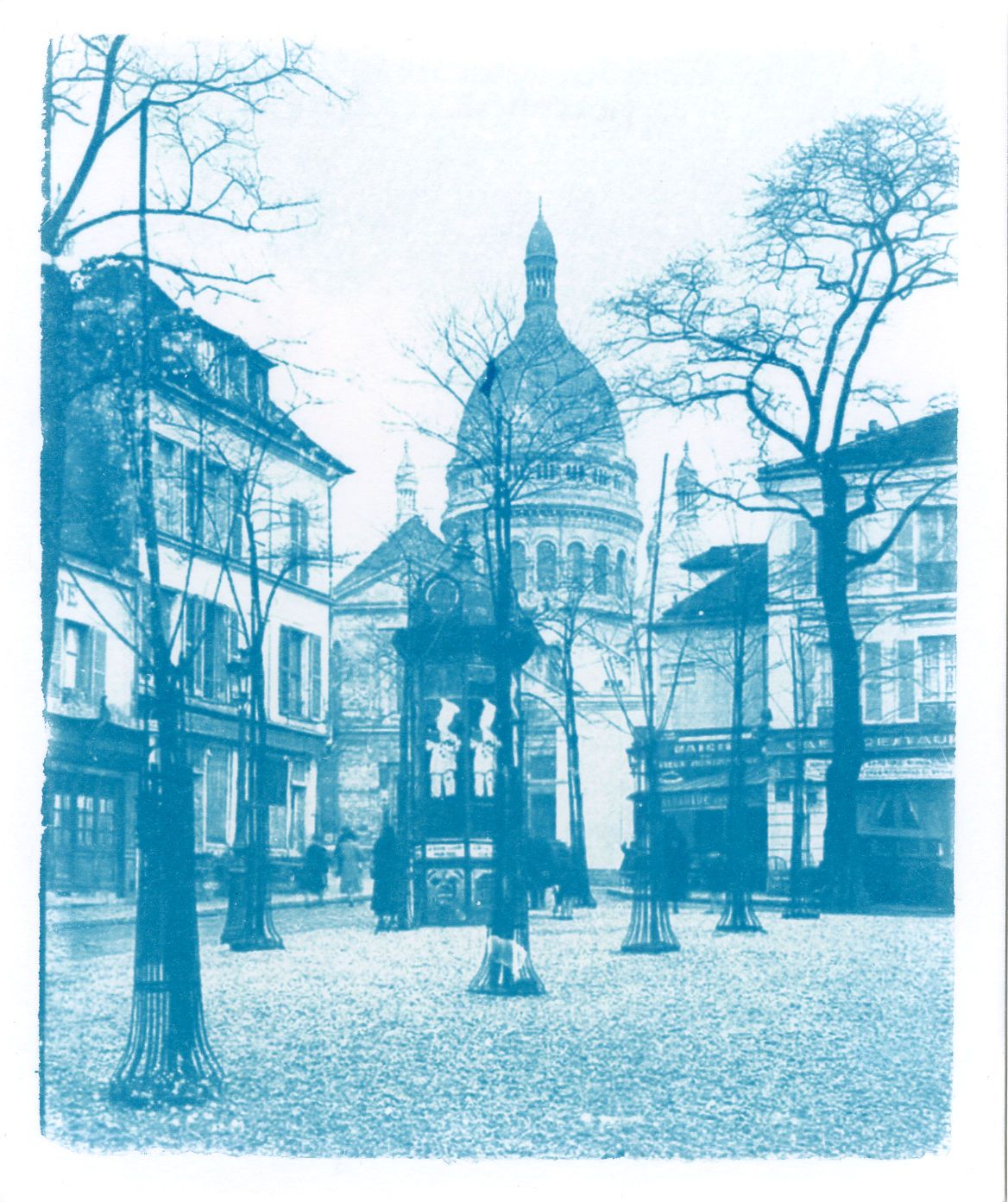
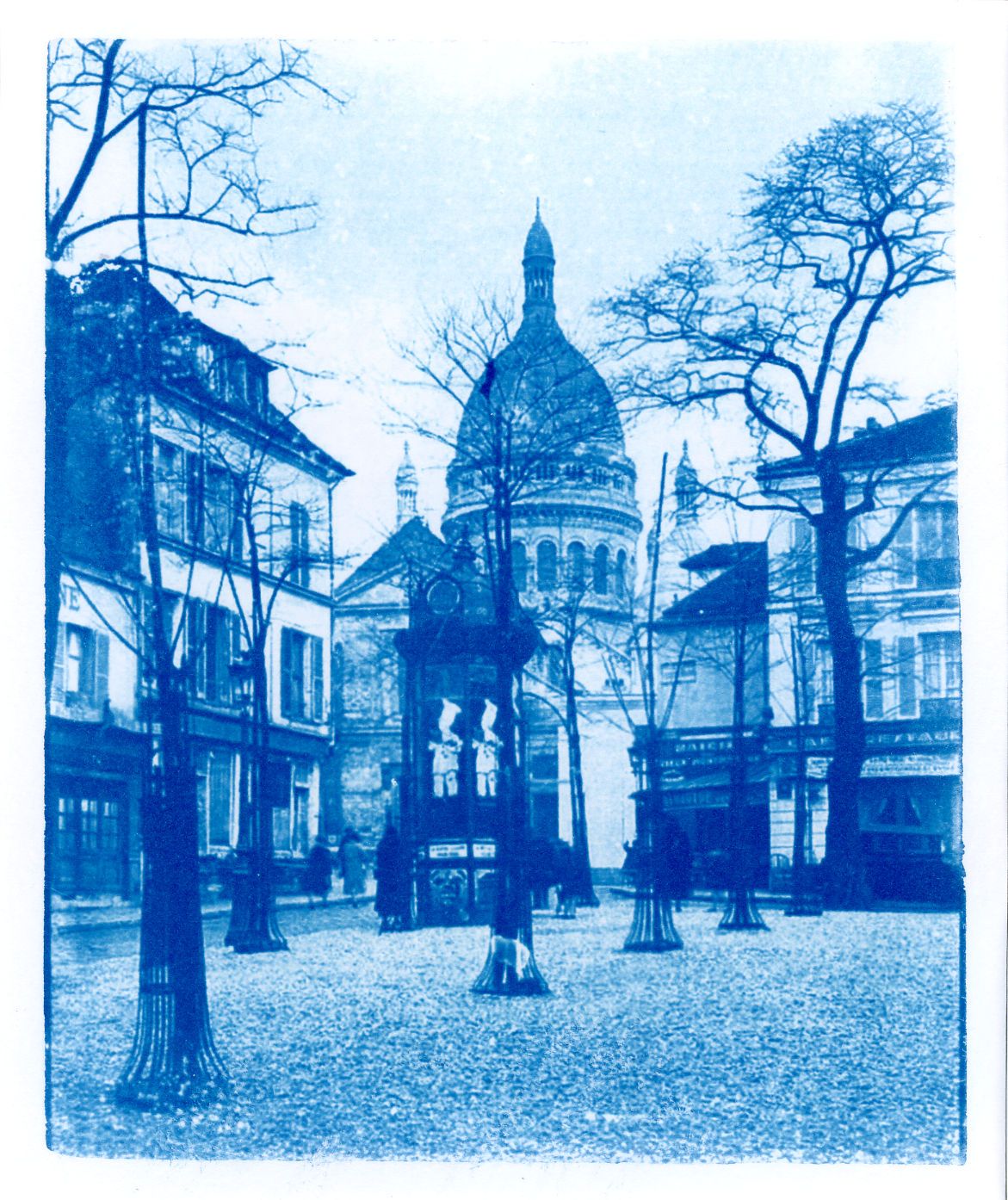
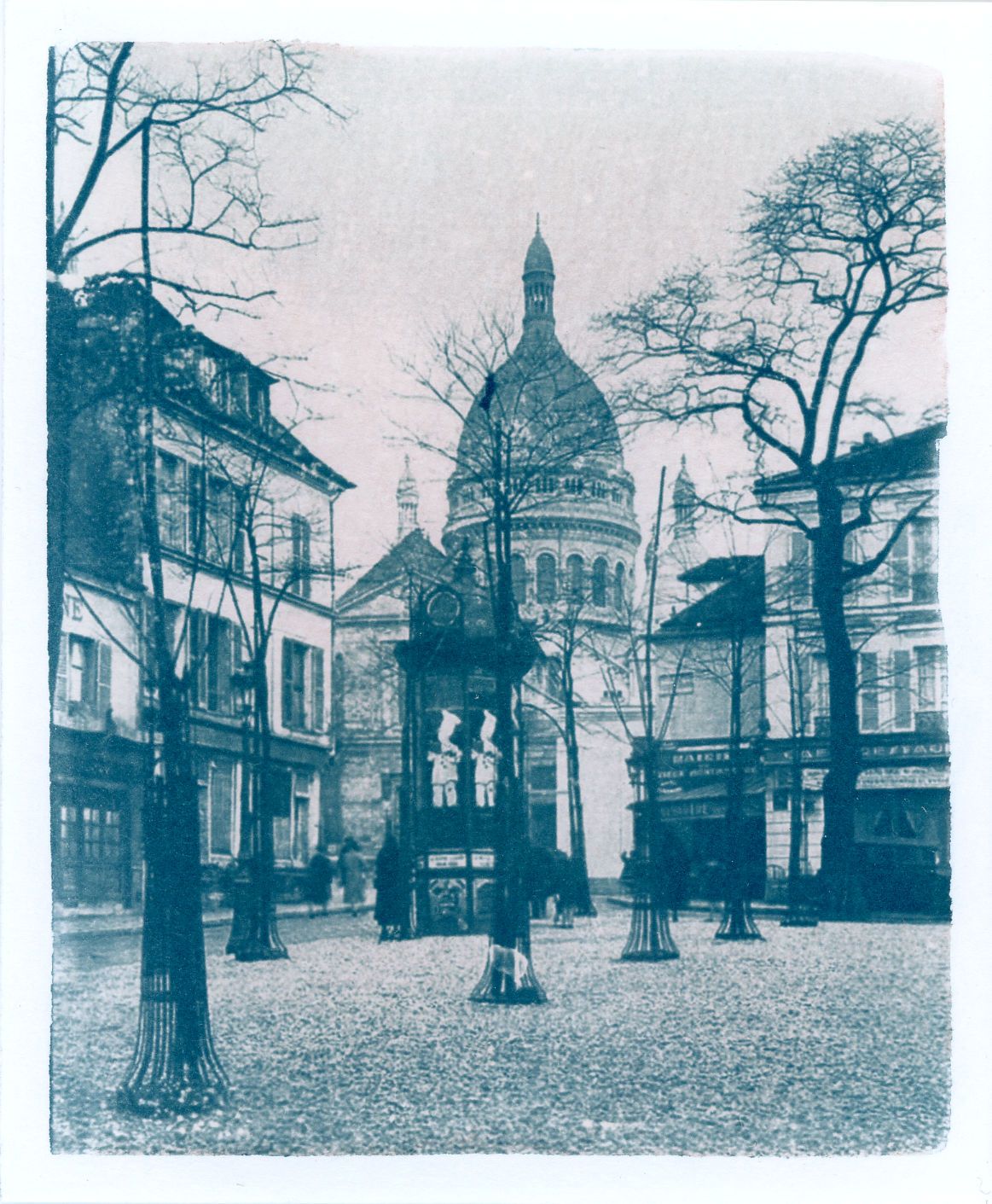
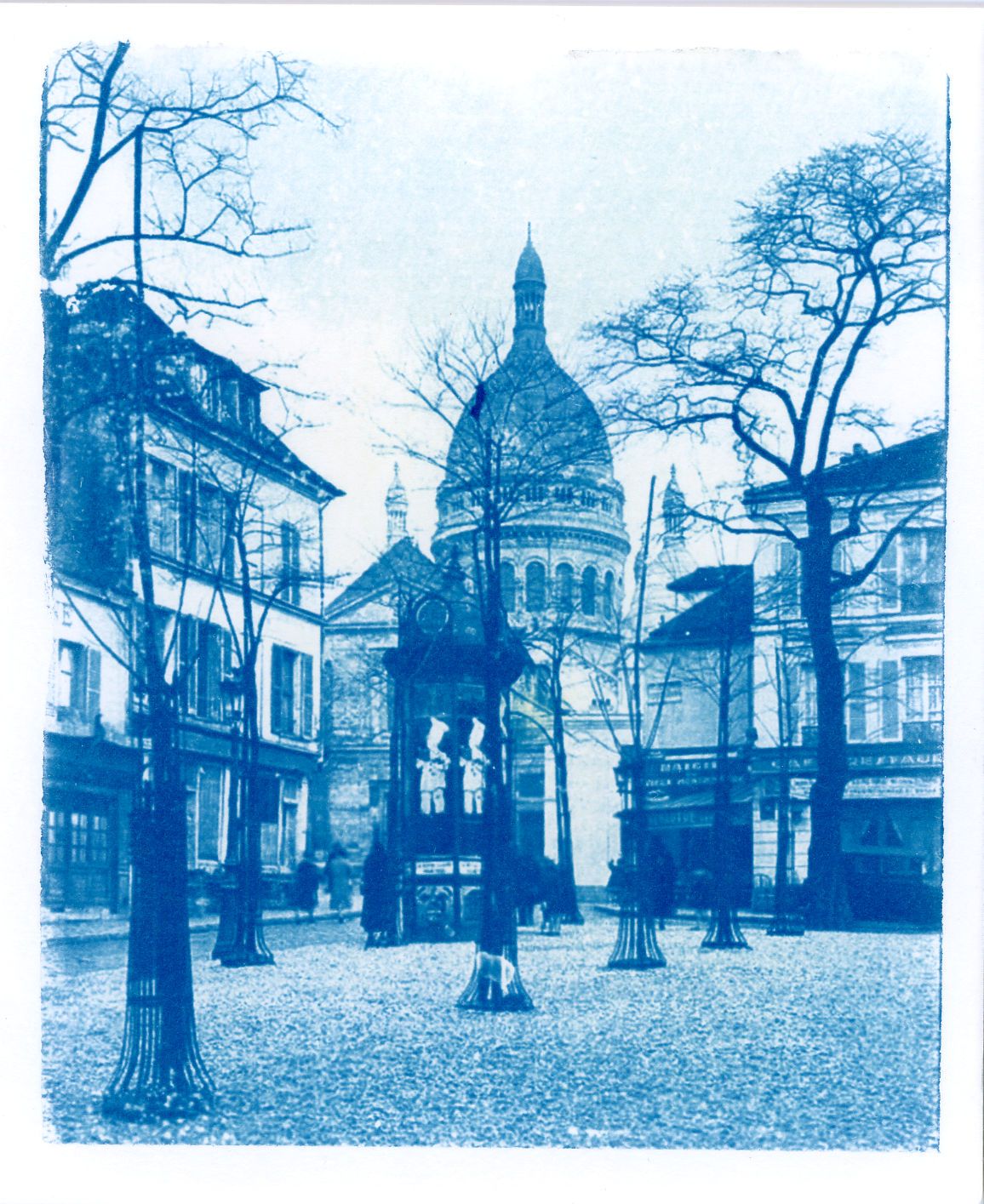
Virage NiSO4
Bain de sulfate de nickel après un cyanotype normal
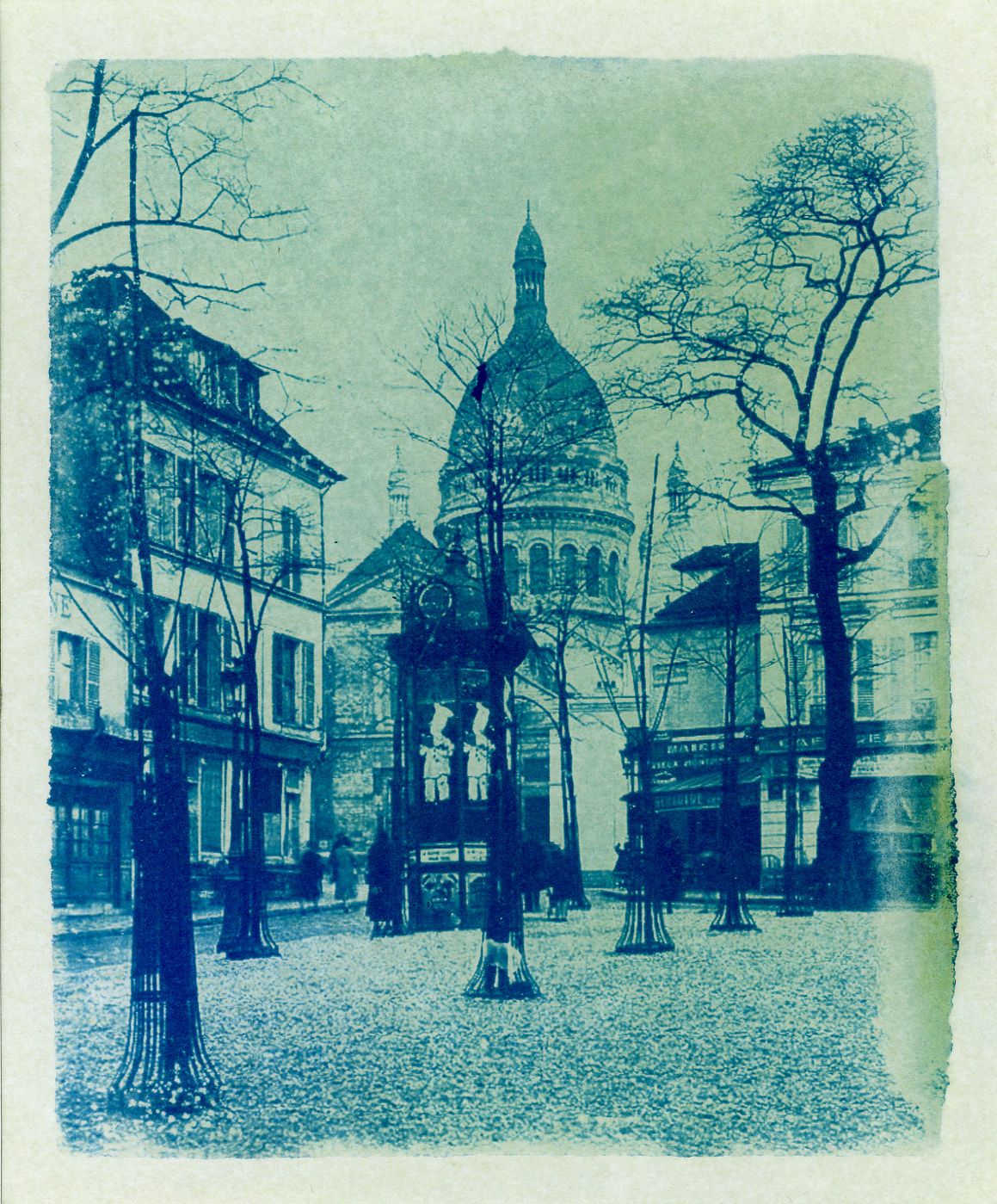
Virage VOSO4
Bain de sulfate de vanadyle après un cyanotype normal